


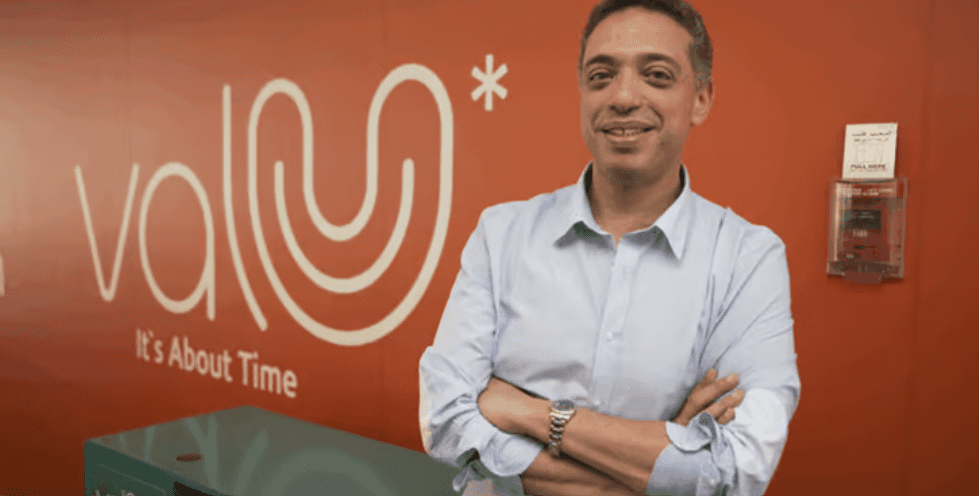
Valu has secured a loan facility of up to $12 million from the European Bank for Reconstruction and Development (EBRD), providing fresh capital to finance energy-efficient appliances, solar systems, and other green technologies for Egyptian households.
The financing points to a subtle shift in how climate capital is being deployed. Much of the funding directed toward sustainability in emerging markets has traditionally gone into utility-scale renewable energy projects, industrial upgrades, and large infrastructure developments.
Development finance institutions are now paying closer attention to consumers, particularly in markets where the cost of adopting green technologies remains a major barrier.
Valu plans to use its consumer finance platform and merchant network to make products such as solar solutions and energy-efficient appliances more affordable through installment-based payment plans. consumers may be willing to adopt cleaner technologies, but upfront costs often stand in the way.
Also read, Egyptian Valu Secures $63.6M Bank Facility to Scale BNPL
Alongside the funding, EBRD will provide technical support to help Valu identify, monitor, and expand a portfolio of qualifying green assets. The partnership is intended not only to finance purchases but also to create the systems needed to measure their environmental impact over time.
The transaction is significant for another reason. EBRD describes it as its first partnership with a consumer finance company in Egypt and across its Southern and Eastern Mediterranean region. That suggests development lenders are becoming increasingly comfortable using fintech and consumer finance platforms to distribute climate-focused funding at scale.
For Valu, the opportunity sits at the intersection of affordability and sustainability. Rather than asking consumers to absorb the full cost of energy-efficient products upfront, the company is betting that flexible financing can accelerate adoption while keeping monthly expenses manageable.
The implications extend beyond the lender and borrower involved in the deal. Egypt’s sustainability agenda has largely been associated with major renewable energy projects and infrastructure investments. This partnership shifts part of that conversation toward household spending, where millions of small purchasing decisions collectively influence energy demand and efficiency.
It also creates potential upside for retailers, appliance manufacturers, solar providers, and other merchants operating in the sector. Demand for energy-efficient products is often constrained less by awareness than by affordability. Financing can help close that gap, bringing products within reach of a much larger segment of consumers.
With climate finance maturing, attention is gradually moving beyond the construction of new infrastructure toward the adoption of technologies already available to consumers. Fintech lenders and consumer finance providers occupy a unique position in that ecosystem because they sit directly at the point where purchasing decisions are made.
Success, however, will depend on execution. Valu will need to build a pipeline of eligible products, strengthen merchant participation, and demonstrate to consumers that the long-term savings from energy-efficient technologies justify the upfront commitment.
If adoption scales, the model could offer a practical example of how climate capital reaches households rather than remaining concentrated in large projects.
More broadly, the deal highlights the growing role consumer finance companies are beginning to play in sustainability initiatives. With development institutions searching for scalable ways to deploy climate capital, platforms with large customer networks and established distribution channels are becoming increasingly attractive partners.
Valu’s agreement with EBRD suggests the next chapter of climate finance may be written as much in households and retail stores as in power plants and infrastructure projects.
Don’t miss important articles during the week. Subscribe to techbuild weekly digest for updates