

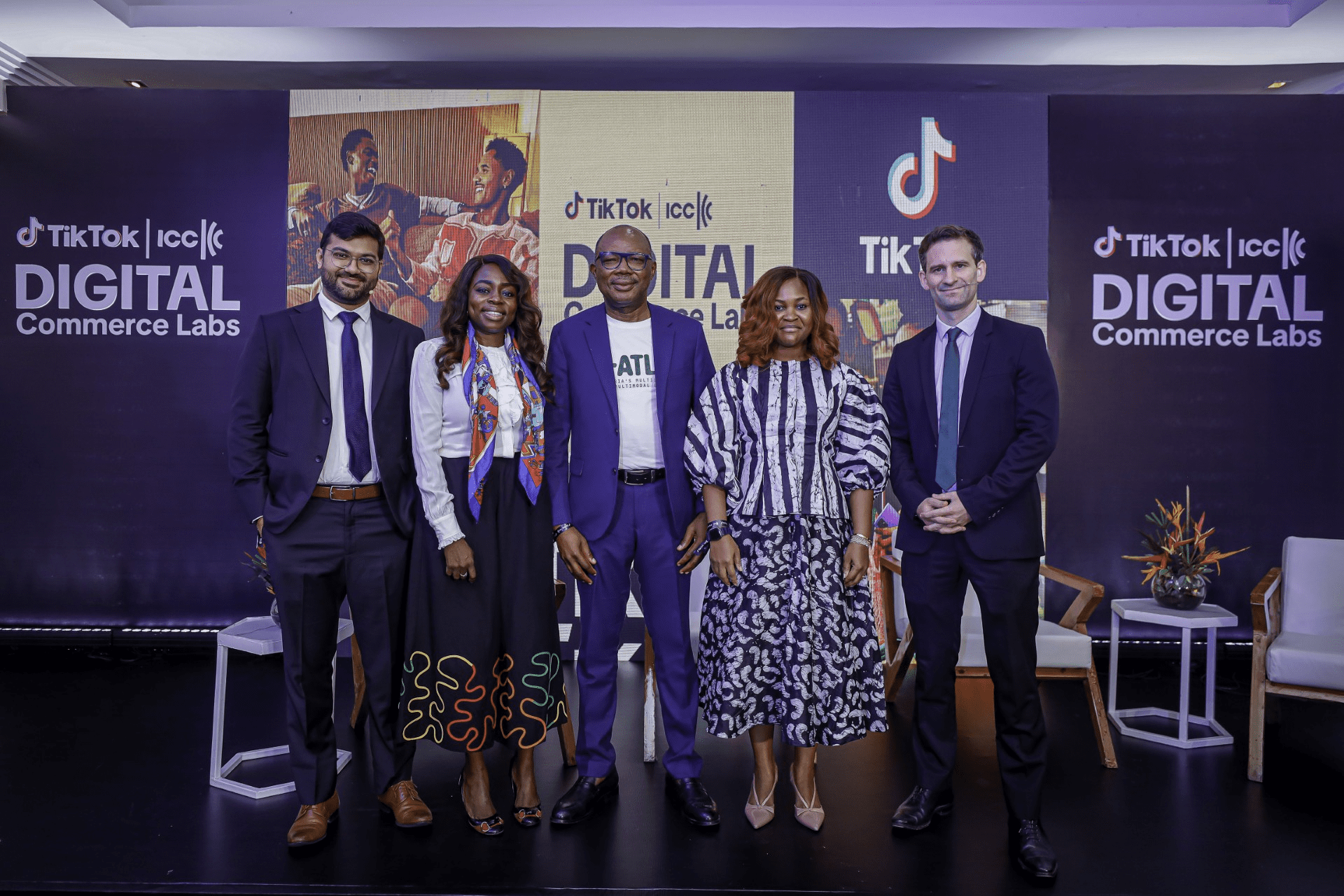
TikTok and the International Chamber of Commerce (ICC) recently convened small businesses, digital creators, and entrepreneurs for the first flagship Digital Commerce Labs (DCL) community event in Lagos.
The event was also supported by the Lagos State Employment Trust Fund (LSETF) and the National Information Technology Development Agency (NITDA), as the partnership indicates TikTok’s commitment to the region’s economic priorities and its ambition to work alongside globally recognised institutions like ICC to place the growth of local businesses at the centre of the digital economy.
The DCL community event centred on the question: How can Nigerian small businesses harness the power of digital technologies to grow, scale and build lasting impact?
Speaking at the DLC event, Tokunbo Ibrahim, Acting Head of Government Relations and Public Policy, Sub-Saharan Africa, TikTok, said that the Digital Commerce Lab (DLC) is a way for TikTok to empower entrepreneurs and SMBs in partnership with ICC.
“The world has gone digital, and we need Nigerian entrepreneurs to be on a level playing field with entrepreneurs from across the world. We want to empower SMBs so that they aren’t just marketing or selling to their community, but they also reach a point where their business has grown enough to export their goods and services. So this program is all about empowering SMBs to take them to the next stage of their business.”
As it is common for SMBs to have some challenges at the start of their business, Tokunbo said that part of the partnership with the LSETF is to offer additional modules to train the SMBs on areas like financial and digital literacy, as well as data protection.
On how the program will boost the Nigerian economy, Tokunbo reiterated that SMBs are the backbone of any economy as they employ a majority of the population owing to the sheer number in the economy.
“So if we can help SMBs unlock their next level of growth, it means growth for the SMB, and an eventual growth for the SMB means the need to employ additional people. Employing additional people helps the Nigerian economy to reduce unemployment and underemployment. There is also the aspect of paying taxes to the government. So essentially, when you grow the SMB, you grow the economy of the country.”
In tracking the performance of the SMBs, Tokunbo once again reiterated that one of the reasons for TikTok’s collaboration with the ICC is due to their expertise in dealing with businesses. However, SMBs can also leverage the TikTok app to access their marketing and growth data.
On the prospects of digital marketing for SMBs, Tokunbo stressed that the concept is the future, as almost everyone prefers the convenience of doing things on their phones. “It means for SMBs to grow, or go to the next level, they have to get comfortable with digital marketing.”
Also speaking on the Digital Commerce Labs initiative, Charly Gordon, Deputy Director of the ICC Innovation for All hub, said the collaboration with TikTok stems from the realization that many SMBs and entrepreneurs sometimes need support in terms of access to skills, especially the ability to leverage digital commerce fully.
“We have learnt from our chamber network that SMBs dont currently unlock the full potential of digital commerce. So we have come together with TikTok to create the training programs that provide practical and market-specific training materials that can help SMBs take the next step in their digital commerce journey”
Director-General and Chief Executive Officer of NITDA, Kashifu Inuwa Abdullahi, added, “At NITDA, our vision is to make Nigeria a digitally enabled nation, fostering inclusive economic development through technological innovation. This, we will achieve by fostering digital literacy and cultivating digital talent needed among our youths to thrive in a global market. We have seen that platforms like TikTok have evolved beyond entertainment; they are now powerful engines for economic growth, enabling small businesses to reach new audiences, tell their unique stories, and scale rapidly. We highly commend TikTok’s commitment to supporting our local ecosystem through this small business event. By bridging the gap between creativity and digital commerce, we are collectively fostering innovation and building a more inclusive, digitally empowered Nigeria.”
Julian Kassum, ICC Deputy Secretary General, expressed that the DCL programme is designed to equip entrepreneurs with the knowledge, tools and confidence to participate fully in an increasingly digital marketplace, helping them compete, scale and thrive on their own terms.
“Digital commerce is a powerful engine for inclusive growth. By equipping small businesses with the tools and skills they need to participate in the digital economy, we are opening new pathways for entrepreneurship, trade and job creation. With the Digital Commerce Labs, ICC is committed to ensuring that small businesses in Nigeria can fully seize these opportunities and grow beyond their local markets.”
Social Commerce and the MSME Opportunity in Nigeria
The timing of the DCL launch could not be more significant. Nigeria’s social commerce market is one of the fastest-growing in the world, projected to reach $2.04 billion in 2025 and expand to nearly $4 billion by 2030.
Across the African continent, the social commerce sector is forecast to grow at a compound annual growth rate of 16.2%, reaching $9.43 billion by 2030.
For Nigerian small businesses, social media is already the primary engine of online trade. A GSMA survey found that 56% of Nigerian businesses sell online exclusively through social media, with a further 19% combining social platforms with a website or marketplace.

Meanwhile, over 40% of internet users in Nigeria, Kenya and South Africa have already purchased through social commerce platforms.
These figures point to an ecosystem in which the line between content and commerce has already blurred, and where the right skills and support can be genuinely transformative.
Reinforcing the aforementioned facts and figures as central to the event’s core theme, Lagos Business School’s Dr. Henrietta Onwuegbuzie highlighted the swift rise of social commerce across Nigeria and Africa during her address to the audience.
“This is not a prospect for Nigerian businesses. It is happening now, and those equipped with the right skills are already seeing the results.”
Funding Made Accessible by LSETF
In a strategic move to fortify the local entrepreneurial ecosystem, the Lagos State Employment Trust Fund (LSETF) has joined the Digital Commerce Labs to provide critical operational support for small businesses.
Through this collaboration, LSETF will deliver robust capacity-building training focused on essential pillars of business sustainability, including financial literacy and wellness, strategic business structuring, book and record-keeping, and expert taxation and legal advisory services.
Following completion of the programme, market-ready small businesses will directly enter into LSETF’s financial ecosystem, with an opportunity to directly access SME funding.
A Day of Learning, Conversation and Community
Two keynote lectures set the tone for the day, examining how digital commerce is reshaping the landscape for small businesses in Nigeria.
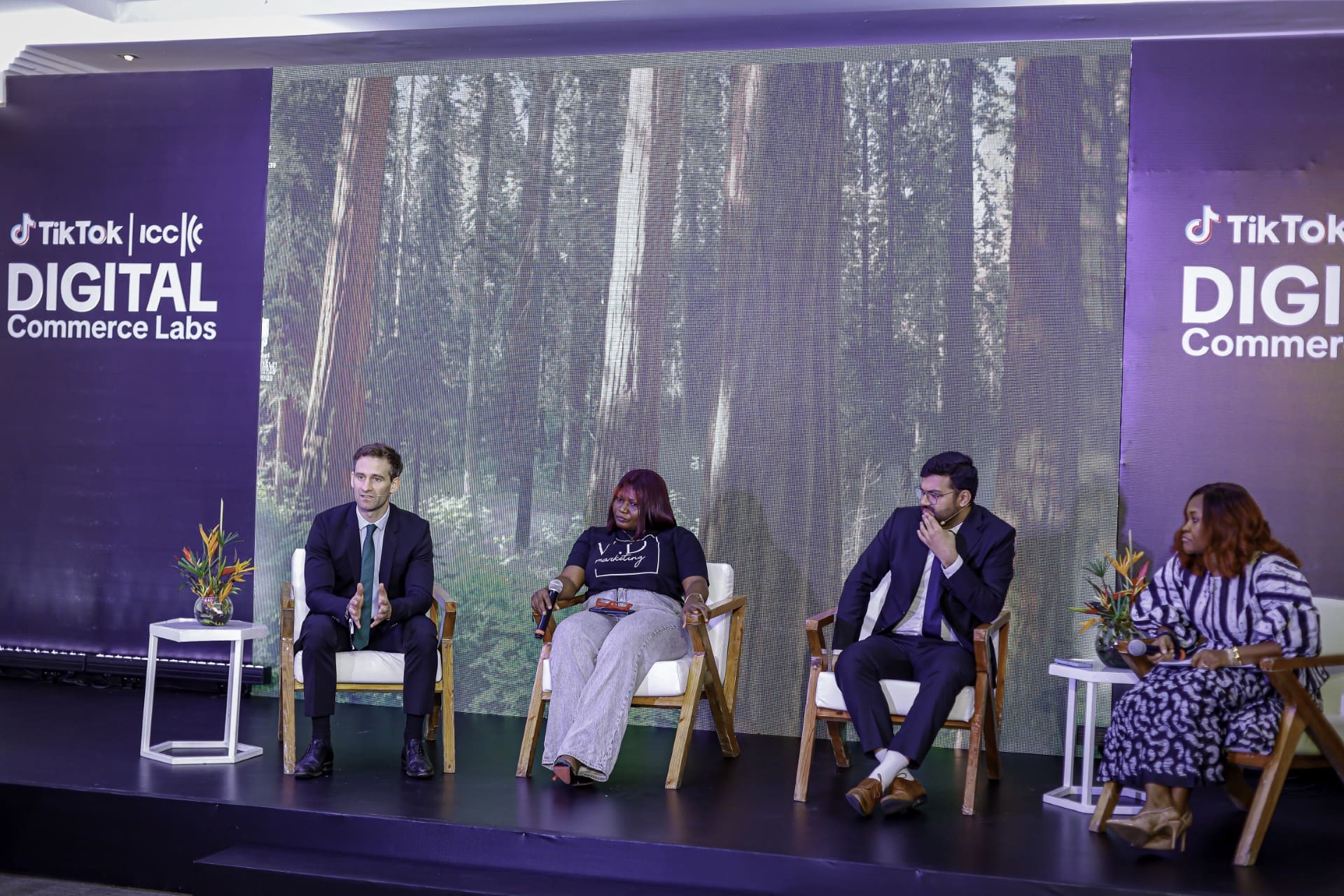
The first explored how digital platforms are fundamentally changing how small businesses reach customers, manage operations and build brand credibility.
The second took a broader view, considering how digital commerce is enabling MSMEs to grow beyond profit: strengthening customer relationships, deepening community connections and building businesses with a clear sense of purpose.
Attendees were then introduced to the full DCL programme through a dedicated presentation, which offered a preview of the learning modules available, outlined the benefits of participation and explained how entrepreneurs can apply and register.
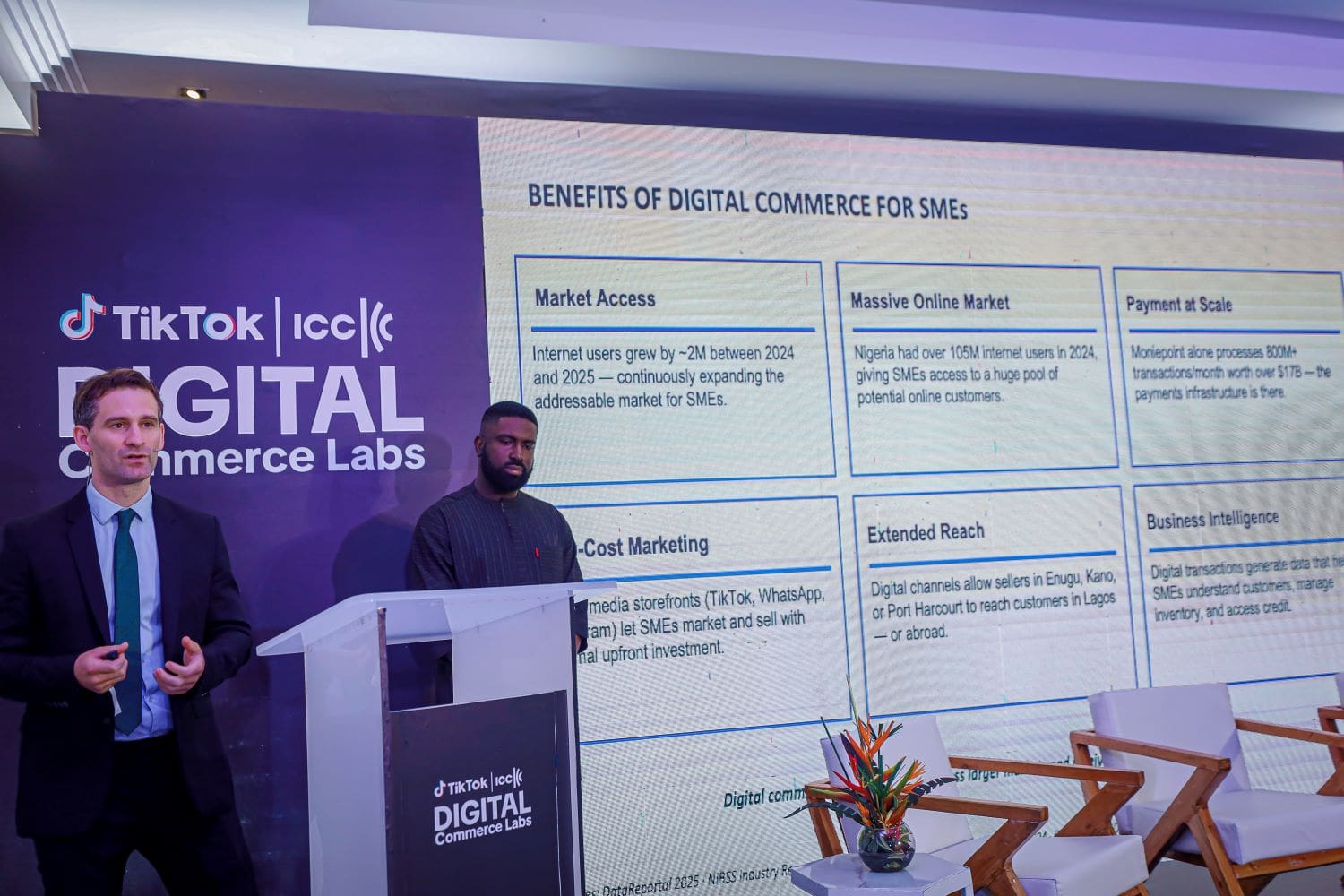
The Digital Commerce Labs offer a comprehensive, two-part learning experience designed to help Nigerian businesses harness the full potential of digital commerce.
Starting in July, participants can access self-taught online modules — developed by local experts and covering topics from building a digital presence and creating effective content to leveraging AI-driven e-commerce tools and preparing for both domestic and international growth.
Delivered in a mobile-first format through short, engaging lessons with interactive elements, the modules are tailored to the Nigerian market to ensure relevant, high-quality learning.
From there, virtual classrooms will complement the online modules with live, trainer-led sessions that bring theory to life in a collaborative setting, helping Nigerian entrepreneurs and businesses explore real-world digital commerce growth opportunities.
Nigeria’s Creator Economy Spotlight
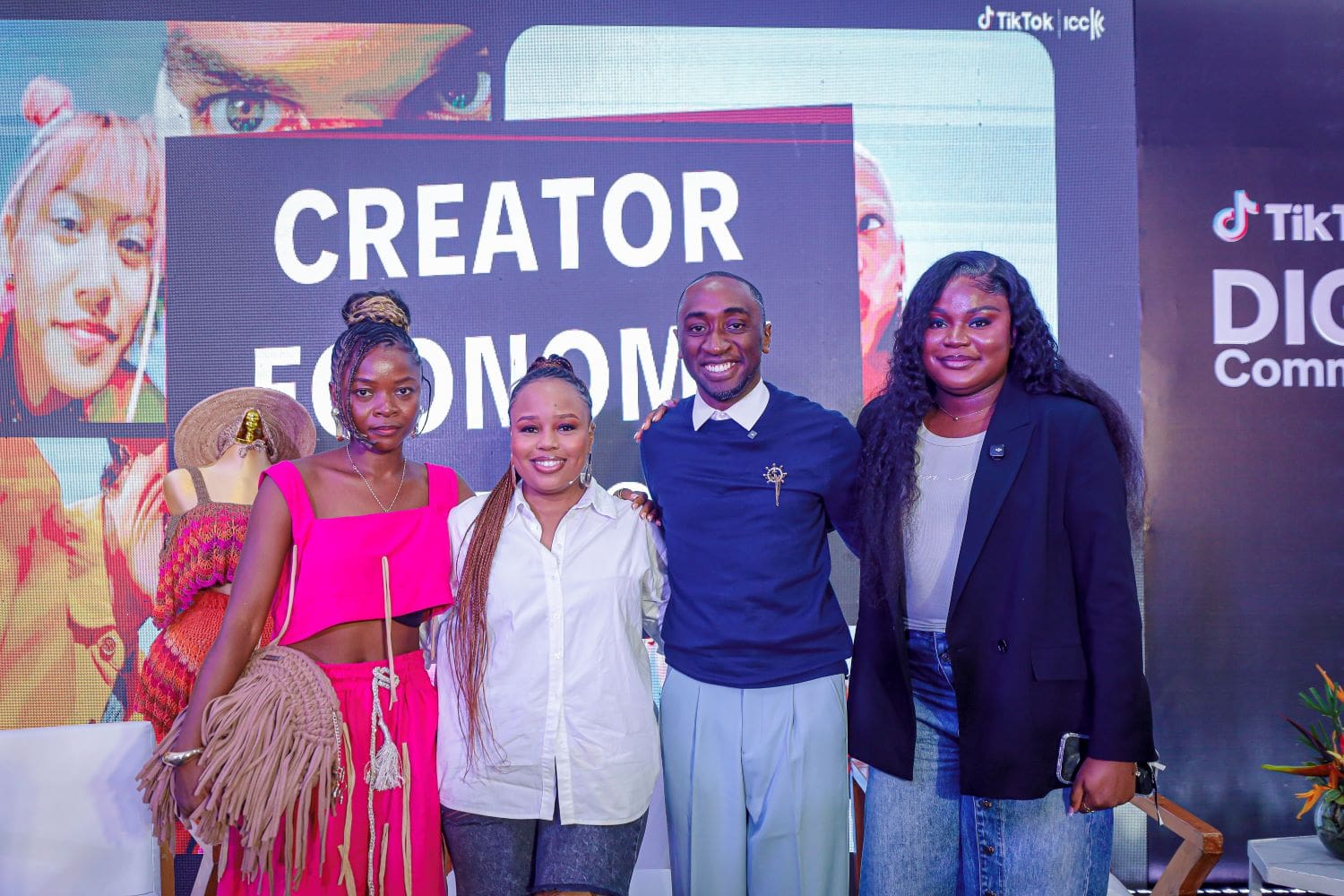
One of the most eagerly anticipated segments of the day was the Creator Economy Spotlight, in which three successful entrepreneurs and content creators shared candid accounts of how they built their businesses using platforms like TikTok.
This fireside chat included Nigeria’s Dr Olawale Ogunlana, Medical Doctor, World Health Organisation’s Fides Network Creator, TikTok’s 2026 Global Discover List Creator, and Founder of HealthKraft Consulting.
He was joined on stage by Kolade Mayowa, the innovative owner of the fashion brand HookedByLade, and Oluwatobi Anointing, the creative force behind the fashion business, Tobi Closet, both of whom shared invaluable insights into leveraging their TikTok platform to scale their brands.
Their accounts offered an honest and inspiring perspective on what it means to build a business in the digital age, grounded in the lived experience of entrepreneurs who use platforms like TikTok to reach customers and clients they would never otherwise have found.
More information about the Digital Commerce Labs is available here and business leaders and entrepreneurs interested in joining the programme can pre-register here.
The DCL community event marks the beginning of a broader initiative through which TikTok and ICC will train thousands of small businesses across Sub-Saharan Africa in digital commerce skills, delivered both online and offline.
Don’t miss important articles during the week. Subscribe to techbuild weekly digest for updates