

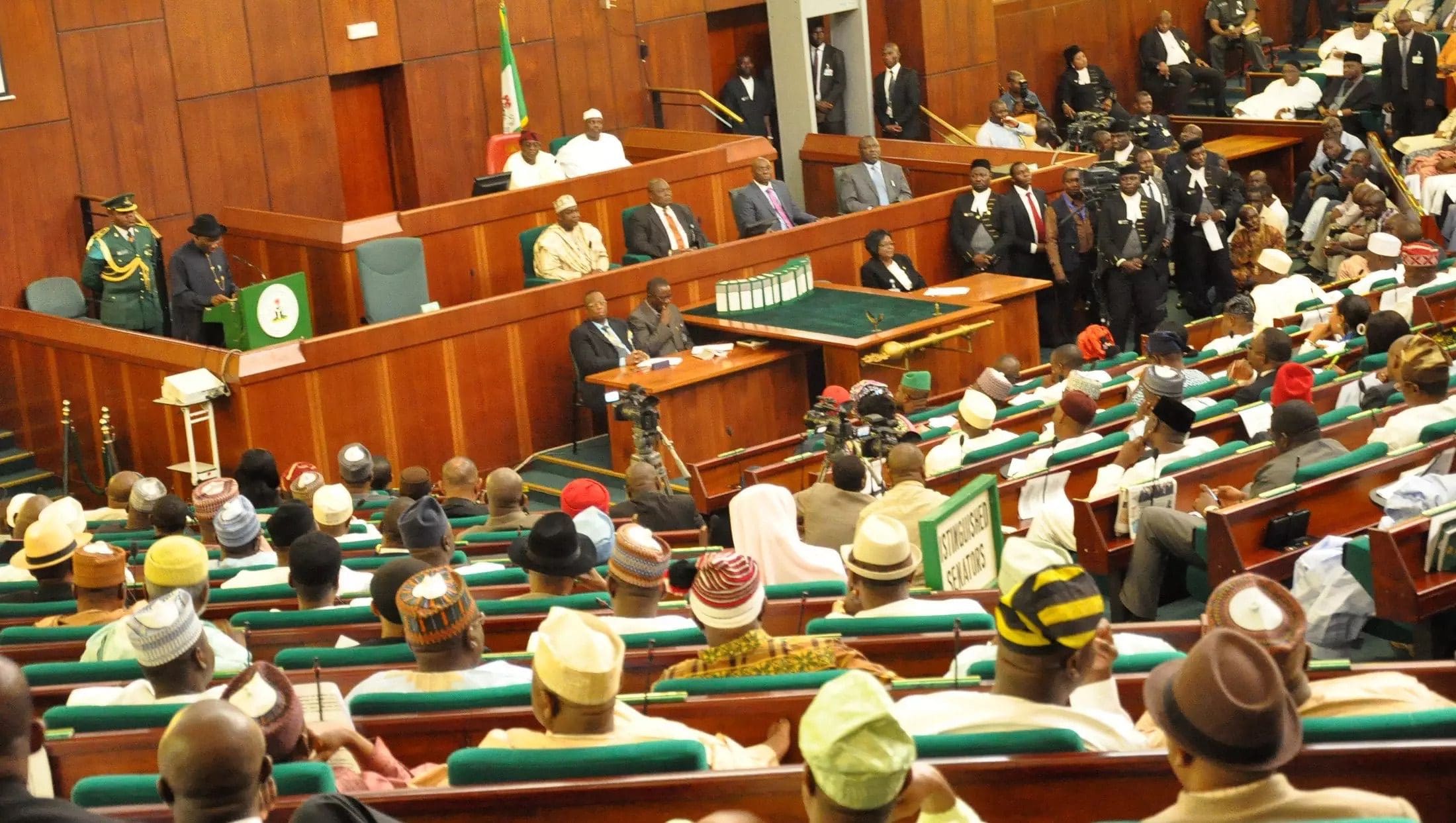
Nigeria’s Senate has advanced the Virtual Asset Service Providers Regulation Bill, 2026, moving the country closer to its first comprehensive legal framework for cryptocurrencies, digital assets, and the companies that operate in this space.
The legislation passed the second reading and has been referred to the Senate Committee on Capital Markets for further review.
Most coverage has framed the bill as an investor-protection measure, as the proposed law would require cryptocurrency exchanges and virtual asset service providers to obtain licenses, meet compliance standards, and operate with greater transparency.
Lawmakers argue these safeguards are necessary to reduce fraud, money laundering, and other illicit activities that have flourished in regulatory grey areas.
The more interesting angle may be what Nigeria is trying to bring into the formal economy.
For years, Nigeria has ranked among the world’s most active crypto markets. Millions of users already trade digital assets, move money across borders, participate in blockchain-based businesses, and hold crypto as a store of value.
Also read, Senate’s intervention in Crypto’s ban, expectations from the New Development
Much of that activity exists outside a clear legal structure, creating a disconnect between one of Africa’s largest digital asset markets and the institutions responsible for overseeing it.
Several senators argued that the absence of regulation has pushed investment, jobs, and economic activity into channels that are difficult to monitor.
Their position is that a clearer framework could encourage more businesses to operate openly while giving regulators greater visibility into a sector that continues to expand regardless of official policy.
The debate is becoming less about whether digital assets should exist and more about how to integrate them into existing financial systems.
Countries across Africa, including South Africa, Kenya, and Ghana, have all moved toward more structured oversight as crypto adoption grows. Nigeria now appears to be taking a similar path.
The bill’s supporters say the framework could help align Nigeria with standards promoted by international bodies such as the Financial Action Task Force and the International Monetary Fund.
This step is important because global financial institutions increasingly expect clearer compliance standards around digital assets before expanding partnerships or services in a market.
This legislation isn’t that Nigeria is discovering crypto, as the market solved that question years ago. The Senate acknowledges that a large digital asset economy already exists and that operating without clear rules carries its own risks.
The outcome could shape whether crypto in Nigeria remains largely parallel to the formal financial system or becomes part of it.
For a country that sits near the top of global crypto adoption rankings, that distinction may matter more than the regulations themselves.
Don’t miss important articles during the week. Subscribe to techbuild.africa weekly digest for updates