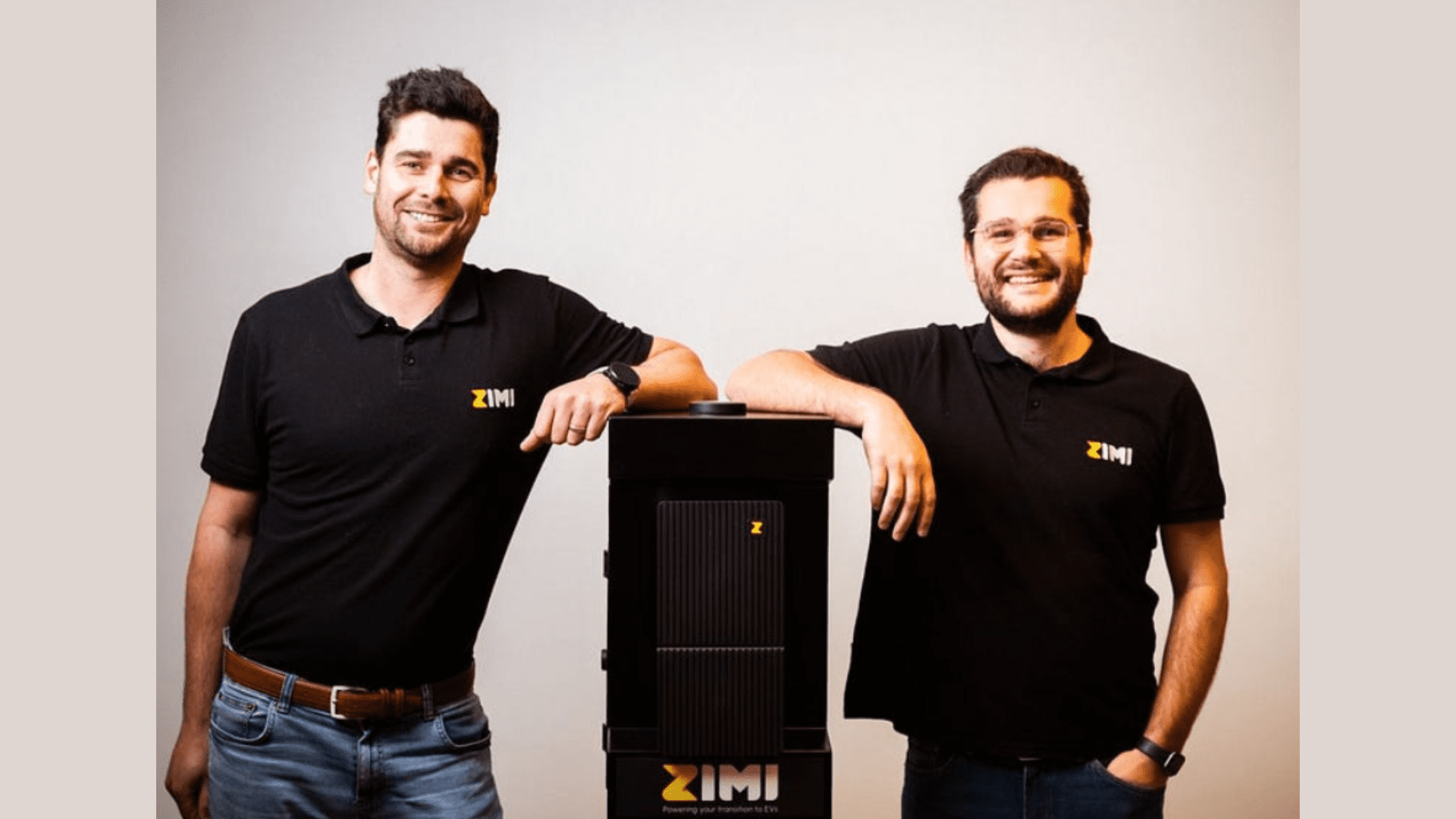
South Africa’s Development Bank of Southern Africa is doubling down on EV infrastructure, leading a R50 million ($2.6 million) funding round for Stellenbosch-based Zimi.
The company combines electric vehicles, charging infrastructure, solar power systems, and energy management software into a single offering for commercial fleets.
The round also drew participation from Keyo Ventures and a group of angel investors. Zimi plans to use the capital to deploy around 200 fleet charging stations and support the rollout of roughly 2,000 electric vehicles over the next 18 months.
The funding is notable not only because of Zimi’s ambitions, but because it fits a broader pattern in DBSA’s investment activity.
The development finance institution backed charging network operator Zero Carbon Charge last year, suggesting it is building exposure across different parts of South Africa’s EV ecosystem rather than concentrating on a single company or business model.
While Zero Carbon Charge is focused on public charging infrastructure, Zimi is targeting private fleet operators, giving DBSA positions on both sides of the market.
For fleet operators, the challenge is rarely the vehicle alone. Electrification often requires charging infrastructure, reliable power, software oversight, and ongoing maintenance.
Zimi’s approach is to package those elements into a single commercial solution. Customers can access vehicles, charging systems, solar installations, and management software under one arrangement, with leasing options designed to reduce upfront capital requirements.
The company says customers can reduce energy costs per kilometre by as much as 90% from day one. Whether those savings prove sustainable will depend on execution, system reliability, and performance at scale, but the promise speaks directly to one of the biggest barriers preventing fleet operators from moving away from diesel and petrol.
Viewed through that lens, the investment looks less like a wager on EV adoption alone and more like a bet on the infrastructure that makes adoption possible.
South Africa’s electricity challenges continue to complicate large-scale electrification, which means the winners may not necessarily be the companies selling vehicles.
They are more likely to be the firms that can package power, charging, financing, and fleet operations into a service customers can depend on.
Zimi is positioning itself around that proposition. Success, however, will not be the fundraise itself but what the company accomplishes over the next 18 months as it attempts to translate deployment targets into a scalable and economically sustainable network.
Don’t miss important articles during the week. Subscribe to techbuild.africa weekly digest for updates