


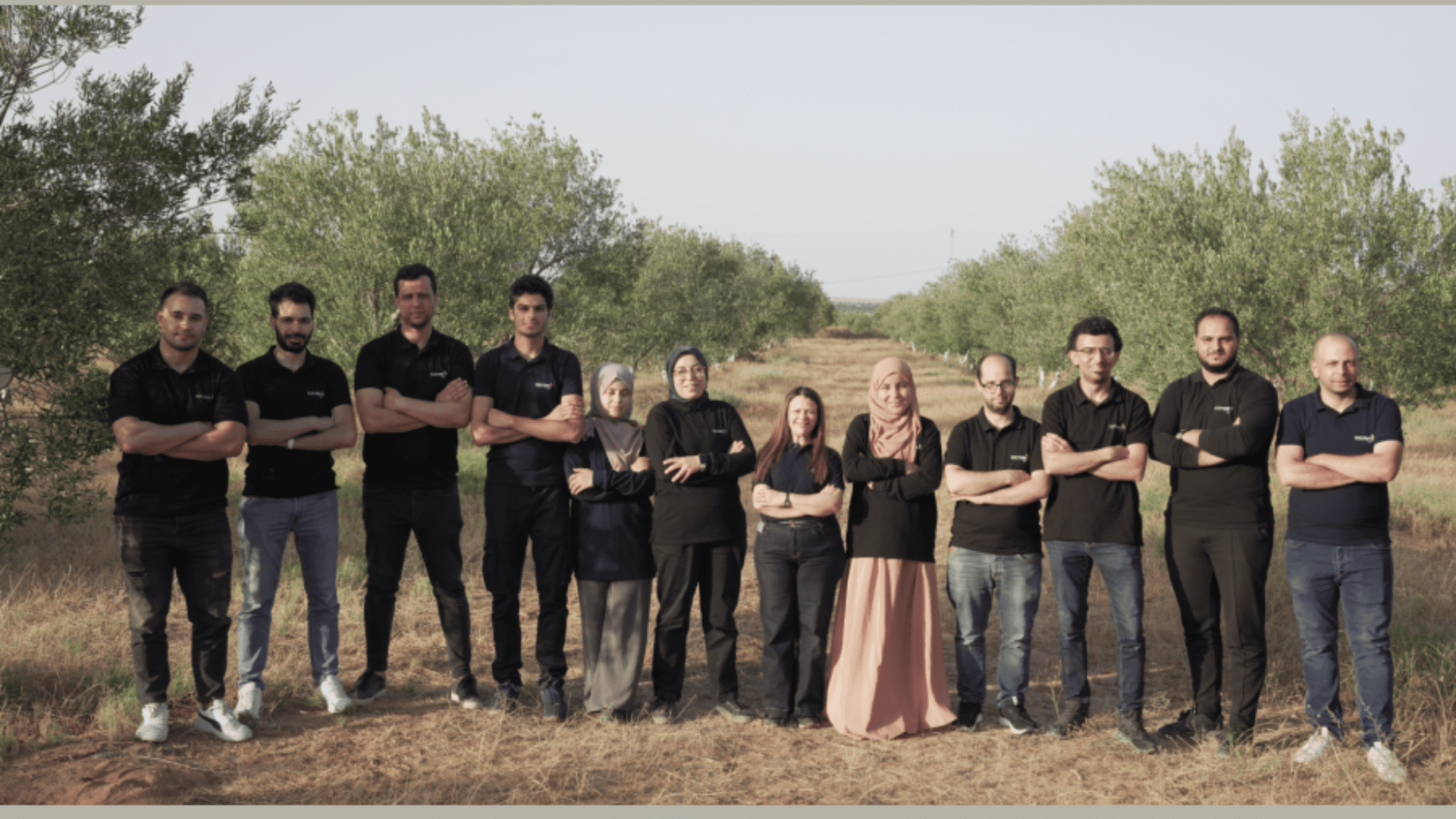
216 Capital has invested in RoboCare, a Tunisian agritech startup developing AI-powered precision agriculture tools, in a six-figure deal that will support the company’s expansion across Africa and the Middle East.
The timing reflects a growing reality facing agricultural markets across both regions. Water scarcity is intensifying, climate volatility is making yields harder to predict, and farmers continue to grapple with rising input costs.
Against that backdrop, technologies that help growers use resources more efficiently are attracting renewed attention from investors.
Founded in Sfax, RoboCare has built a platform that combines satellite imagery, drone monitoring, IoT sensors, weather intelligence, and agronomic expertise into a single operating system for farms.
Its AI models analyze those data streams to detect crop stress, identify disease risks, and recommend more efficient use of water, fertilizers, and other inputs.
The company reports measurable gains from early deployments. According to RoboCare, farms using its platform have reduced water consumption by up to 35%, lowered input usage by as much as 25%, and achieved yield improvements of up to 20%.
The platform is already monitoring thousands of hectares and generating agronomic alerts designed to help farmers respond before problems become costly.
One factor working in RoboCare’s favor is its focus on regional agricultural realities. Rather than building for a broad global market, the company has concentrated on crops that play a significant role across North Africa and the Middle East, including olives, cereals, and processing tomatoes.
In agriculture, local conditions often determine success more than feature breadth, making crop-specific expertise a meaningful advantage.
The new capital will fund market expansion, commercial growth, and continued development of RoboCare’s AI models across different farming environments.
For 216 Capital, the investment aligns with a wider interest in startups tackling structural challenges through technology, particularly in sectors tied to economic resilience and sustainability.
The larger opportunity extends beyond farm management software. Agriculture remains one of the most resource-intensive sectors in the region, and pressure on water supplies is unlikely to ease anytime soon.
Startups that can demonstrate measurable efficiency improvements, rather than simply promise digital transformation, are likely to stand out.
That is where RoboCare’s proposition becomes more compelling. Water savings, lower input costs, and stronger yields are outcomes farmers can quantify directly. In a sector often crowded with ambitious technology narratives, practical gains tend to matter more than sophisticated platforms.
The company’s next challenge will be proving those results consistently across larger geographies and more diverse agricultural conditions.
If it can do that, RoboCare could emerge as one of the more influential players in the region’s push toward data-driven farming.
This article was culled from Wamda.
Don’t miss important articles during the week. Subscribe to techbuild weekly digest for updates