A rising number of African people and businesses are looking for money or investment to build online markets and virtual networks, or even to pay school tuition.
Obtaining a loan and getting an investment has proven to be a difficult task. As a result of the financial crisis, microfinance banks tensed up their customer lending regulations, making it even harder for individuals and enterprises with low incomes to acquire loans.
This has increased demand for Fintech companies such as mobile lending and peer-to-peer lending platforms.
The main objective of fintech is to offer banking and financial services that are more efficient and successful, as well as less expensive, than those provided by microfinance banks.
Overall, these are entrepreneurs that are part of a development strategy and base their operations on a method of innovation. This is why many microfinance banks are transitioning to fintech.
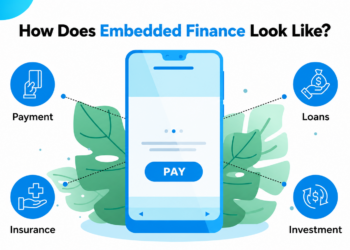
Furthermore, Fintechs have developed new payment ways, and as part of this process, microfinance banks are moving to provide the same payment mechanism while also offering consumers digital security, customer service, and data privacy.
The purpose is to simplify and secure the many commercial transactions that occur online.
The move from microfinance banks to fintech banks provides for more customer agility, scalability, and innovation while extending financial inclusion and lowering operational costs.
Microfinance banks are transforming into fintech banks in order to capitalize on technological breakthroughs and improve their services.
Data analytics is also used by Fintech banks to get insights into client behaviour, creditworthiness, and risk management.
By leveraging data, microfinance banks may make more educated loan decisions, tailor their products, effectively minimize risks, and, ultimately, establish trust among their customers.
However, when it comes to creating trust and confidence among customers, the transition from microfinance to fintech banking in Africa brings both opportunities and challenges.
Consider the following crucial points:
Transparency: Building trust requires the establishment of transparent processes. Customers should be well-informed about the processes, fees, and terms of fintech banking systems.
Giving clients real-time access to transaction and account details helps them understand and trust the system.
Data Protection and Privacy: To inspire trust in clients, fintech banking systems must prioritize data security and privacy.
Put in place strong security measures to keep consumer information and transactions safe from unwanted access or breaches.
Interfaces that are easy to use: During the transition, user-friendly interfaces and intuitive mobile applications can improve user experience and streamline banking operations.
A simple and easy-to-use user interface increases client happiness and trust in the fintech platform.
Collaborations with Reputable Institutions: When transitioning from microfinance bank to fintech, know that collaboration with well-established financial institutions or partnerships with reputable local organizations can boost confidence and trust.
Such collaborations might provide customers with confidence in the validity and dependability of the fintech banking platform.
Compliance with regulations: Also, adhering to relevant regulations and having requisite licenses or certifications is critical for gaining customer trust and confidence.
Users are reassured that the fintech banking platform functions inside the legal framework when it demonstrates compliance with regulatory criteria, hence this should be considered during the transition
By concentrating on these elements, fintech banking platforms in Africa may navigate the shift from microfinance to fintech banking while increasing client trust, security and privacy, and confidence.
Don’t miss important articles during the week. Subscribe to techbuild.africa weekly digest for updates.