


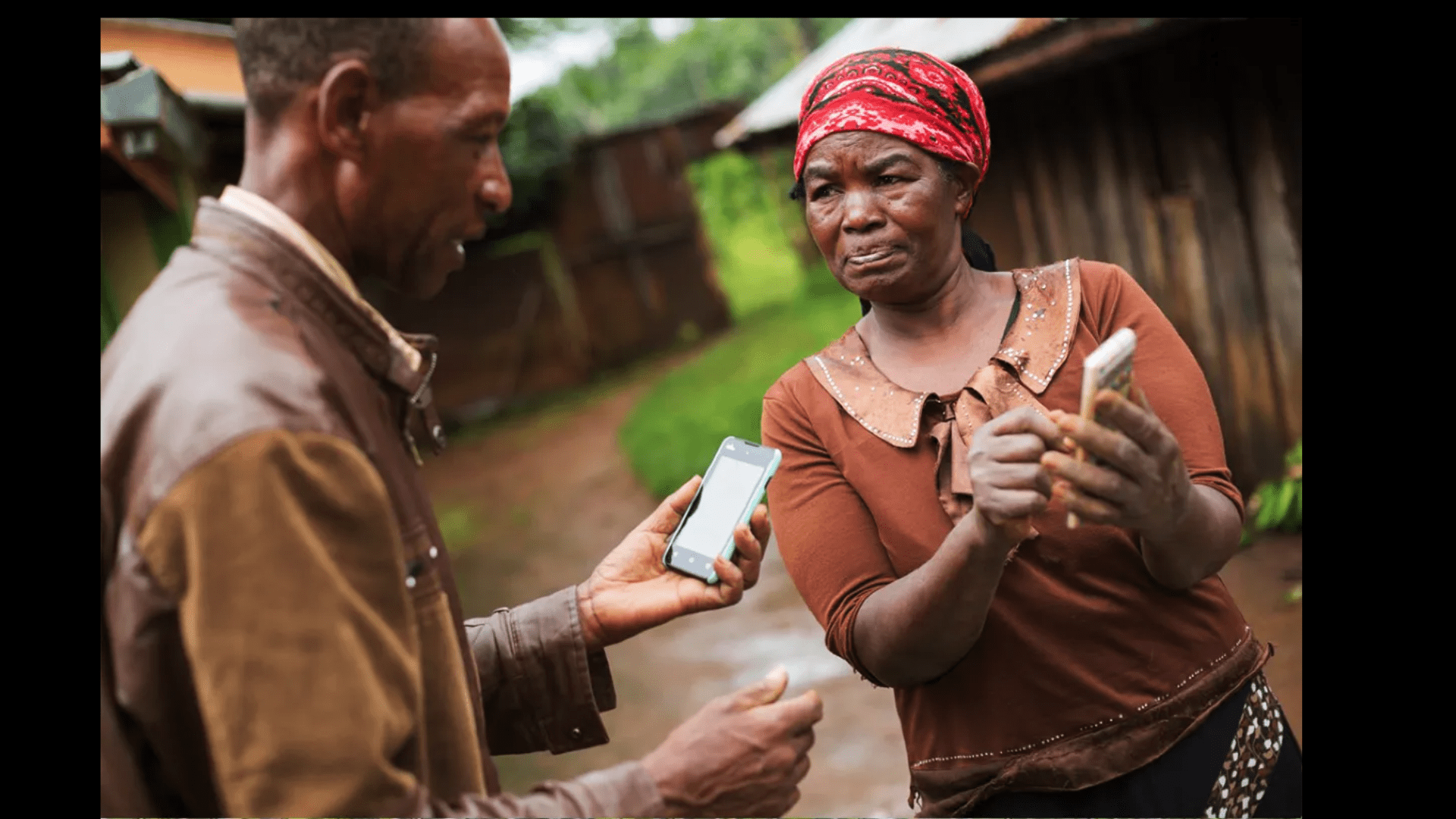
Africa has made tremendous strides when it comes to mobile connectivity, but the level and the quality at which it is available varies across the continent.
What then do we mean by mobile connectivity? Imagine that your phone battery is low and for you to charge it, you need to find a power source and plug your charging cord before connecting to your phone. Now, that used to be how the internet was accessed.
It was physically plugged into a network connection through the dial-up method. This required a computer, a modem, and a phone line.
The modem is plugged into the computer, and then the phone line is connected to the modem. The user dials the number provided by the internet service provider, who connects the user’s device to their server before the user can access the internet service.
Despite this long procedure, the dial-up was unreliable and relatively slow. Mobile connectivity changed the game because it eliminated the need to physically connect to the internet. It is a way by which devices connect to the internet as well as other devices wirelessly.
In Africa, mobile connectivity has increased in recent years with the increased penetration of mobile phones. Mobile connectivity in rural Africa is somewhat nothing to write home about.
Across Africa, the story is the same in most rural places. The low mobile connectivity in these rural Africa is attributed to several challenges, some of the common challenges include the following:
Inadequate and Lack of Proper Infrastructure: Mobile connectivity requires that some infrastructures are in place such as fiber optic cables, electricity, and cell towers among others.
Oftentimes, these necessary infrastructures are either lacking or inadequate in the rural Africa areas and this is one of the biggest challenges of mobile connectivity.
Limited Network Coverage: The seemingly second most common challenge is network coverage. In most rural Africa, network coverage is usually poor, and in some places non-existent. This makes it hard for mobile connectivity even with infrastructures in place.
Affordability: The rate of acquiring mobile devices and data plans is high and for most people who reside in the rural parts of Africa, it’s simply a cost they can avoid. And if there’s a need to reach someone they rather find alternatives than be connected themselves.
Limited Digital Literacy and Skills: Most people in rural Africa have limited digital literacy and skills. So they are unable to extensively navigate smartphones and their vast services.
Digital Divide: The digital divide is a result of the combination of the preceding challenges and because it continues to widen it has become a challenge on its own. This digital divide is a threat to Mobile connectivity in rural Africa.
It is not enough to list all the challenges, here are some solutions that can salvage the situation in rural Africa if implemented to enable improved mobile connectivity in those regions.
The first step towards solving the mobile connectivity challenge in rural Africa is setting up the proper infrastructure needed, such as optic fibers, cell towers, and others. Both the public and the private sectors have a role to play in this.
The government can either provide these directly or provide incentives such as tax breaks or even regulatory relief to incentivize private entities to invest and provide these infrastructures.
Another solution is spectrum management, which seeks the effective management of the radio frequency spectrum so that the rural areas have the bandwidth that will enable mobile connectivity with minimal interference.
Finally, digital literacy will go a long way to fostering mobile connectivity in rural Africa. This helps them understand the importance of mobile connectivity and increases their digital skills.
With this, they can now push for increased mobile connectivity in their areas as they now have a dire need of it. As always, necessity is the mother of invention, or in this case innovation.
Don’t miss important articles during the week. Subscribe to techbuild.africa weekly digest for updates