

Zero Carbon Charge, a South African startup specialising in clean mobility infrastructure, has received a $5.6 million investment from the Development Bank of Southern Africa (DBSA).
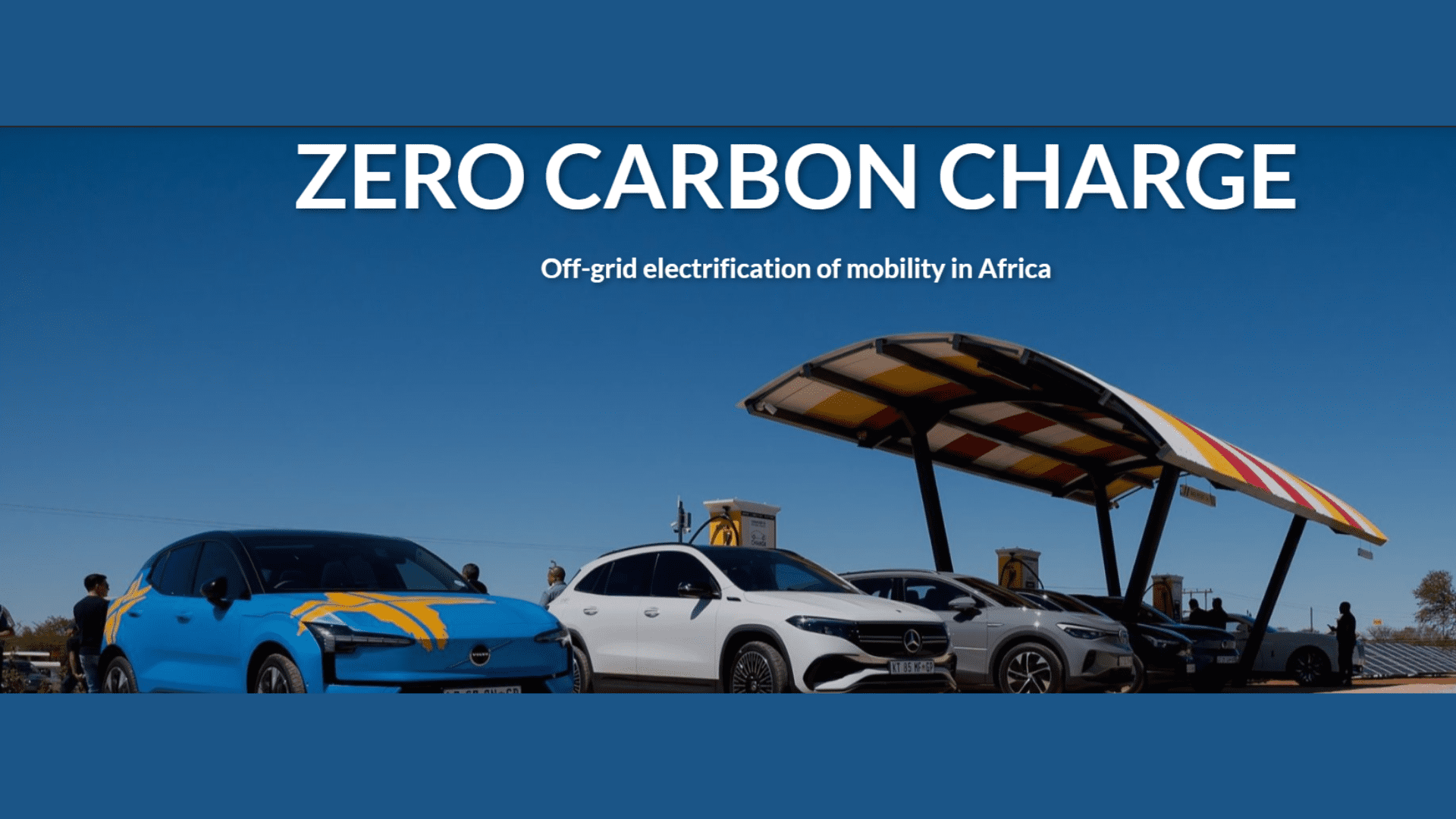
The investment will support the company’s efforts to build a national network of solar-powered, ultra-fast electric vehicle (EV) charging stations positioned every 150 kilometres along the country’s major roads.
The company’s approach is centred on decentralised energy generation, each charging station generates and stores its solar power on-site.
This eliminates any reliance on Eskom’s grid, an important factor in a country where inconsistent electricity supply remains a widespread concern. The model also helps address a key barrier to EV adoption in South Africa: range anxiety.
By producing power directly where it’s consumed, Zero Carbon Charge is offering a more dependable charging solution for electric vehicles, while also contributing to broader climate objectives.
The company sees the funding from DBSA not just as capital, but as institutional validation of its infrastructure strategy for low-emission transport.
The project’s scale suggests a meaningful push to support EV usage outside of major urban centres. In a market where electric vehicles still account for a small fraction of total car sales, infrastructure plays a critical role in enabling adoption.
The company’s stations, powered entirely by solar and battery storage, could serve as early indicators of how off-grid solutions might work at scale for transport systems in other parts of the continent.
From an industry perspective, DBSA’s backing of a private-sector effort to tackle energy and mobility challenges simultaneously reflects a growing interest among development finance institutions in practical, locally designed solutions.
If Zero Carbon Charge succeeds in delivering on its rollout, it may help lay the groundwork for more energy-resilient mobility systems across Southern Africa.
The company’s next phase, deploying stations across all national roads, will be a key test of whether this model can deliver not just reliable charging but also a consistent user experience across different geographies.
Don’t miss important articles during the week. Subscribe to techbuild.africa weekly digest for updates