Moroccan startup Woliz has raised $2.2 million in a pre-seed round as it pushes to digitise the country’s vast network of neighbourhood retailers.
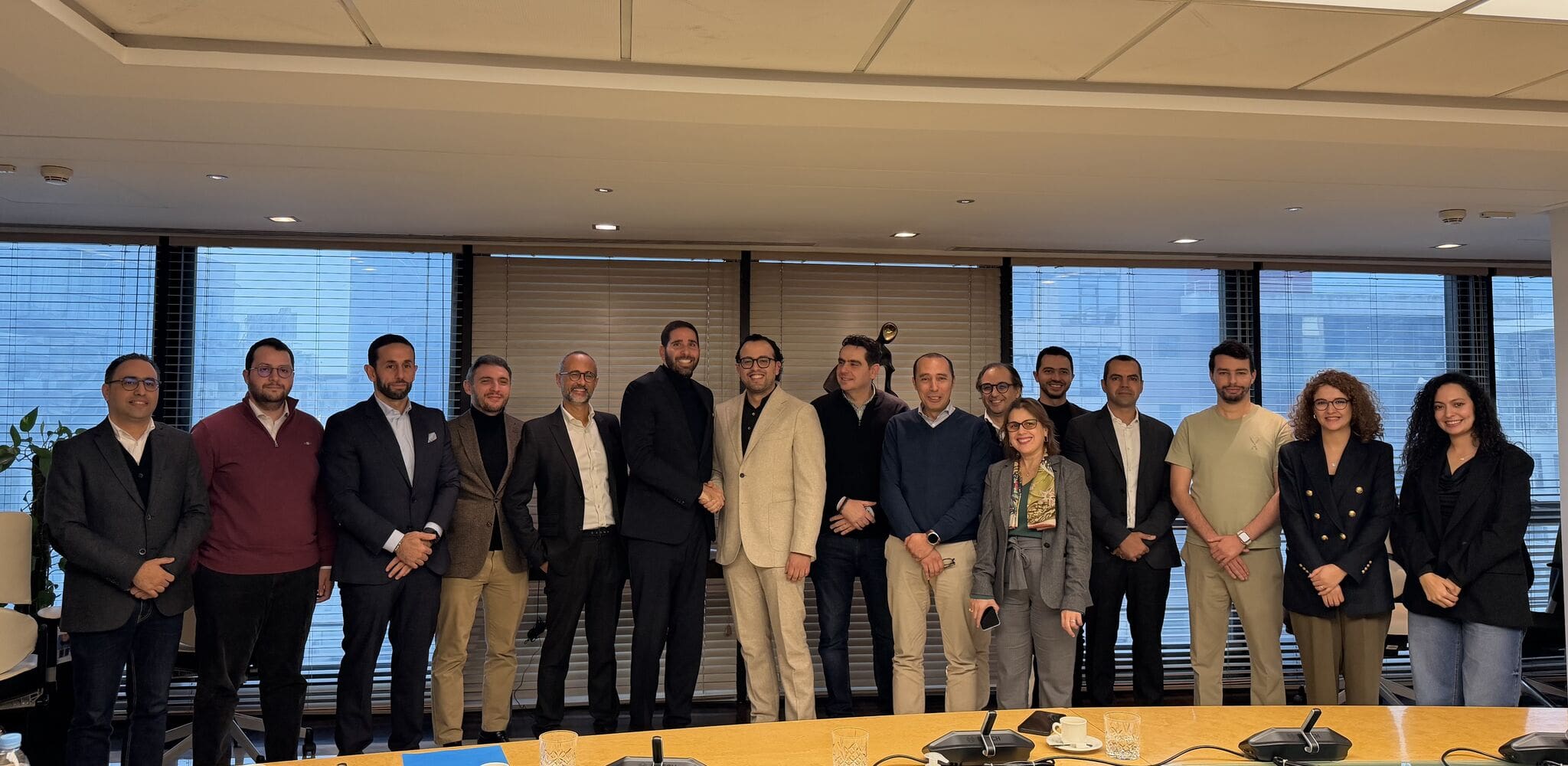
The round was led by Sanlam Maroc, marking the insurer’s first direct startup investment and signalling a deliberate move into long-term private equity participation in local technology ventures.
The deal is notable less for its size and more for who is backing it. Sanlam Maroc’s entry into the startup space reflects growing interest from established financial institutions in platforms that sit close to everyday commerce.
Informal and semi-formal retail remains one of Morocco’s most economically active sectors, yet it has lagged in technology adoption and access to structured financial services. Woliz is positioning itself at the centre of that gap.
The startup is building a technology platform aimed at bringing small merchants into a more connected commercial system. Its product combines automation, data analysis, and artificial intelligence to link shop owners with suppliers, distributors, and financial partners in a single operating layer.
The objective is to move neighbourhood shops from isolated operations into a coordinated network that can support better inventory management, financing access, and decision-making.
Sanlam Maroc has framed the investment as a way to support the modernisation of local commerce while expanding financial inclusion.
From an insurer’s perspective, platforms like Woliz offer visibility into merchant activity that has historically been opaque, creating new opportunities to design relevant financial products while supporting broader economic formalisation.
For Woliz’s founder, Kamal El Hardouzi, the focus is on upgrading what is arguably the country’s most widespread economic infrastructure.
Neighbourhood retail is dense and resilient, but it has largely operated without the digital tools that power efficiency in other sectors.
Woliz’s approach places the merchant at the centre of an integrated ecosystem rather than treating them as the last mile of a supply chain.
The fresh capital will be used to strengthen the company’s technology and internal operations, while accelerating on-the-ground deployment across Morocco.
Merchant onboarding remains a priority, as scale is essential for the platform’s network effects to materialise.
Beyond the local market, Woliz is already looking outward, viewing Morocco as a proving ground for expansion into other African markets with similar retail structures.
Digitising neighbourhood retail goes beyond rolling out new software. It depends on trust, steady on-the-ground execution, and working with institutions that already understand how risk and distribution really function.
Sanlam Maroc’s involvement is not just about capital. It brings credibility. That kind of institutional backing could help Woliz move informal retailers closer to the formal financial system without forcing a sudden shift.
If Woliz manages to scale this approach, it could become a practical model for upgrading small retail across Africa, starting with tools that fit existing habits instead of trying to erase them.
The post first appeared on Startup Researcher.
Don’t miss important articles during the week. Subscribe to techbuild.africa weekly digest for updates