
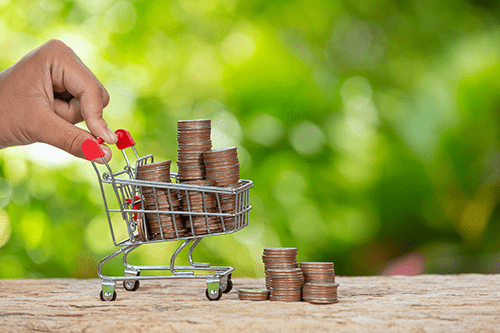
Save now, buy later (SNBL) is an interesting sales model that ensures that consumers are debt free in their purchase when they want to buy something they cannot outrightly afford.
Here, they make bits of payments over an allotted time and pick up their purchase once they have completed the full payment.
SNBL requires patience to wait out the payment process and the discipline to continue to complete that payment within the designated time frame.
As opposed to the buy now, pay later (BNPL) model that offers instant gratification but leaves you in debt until you complete payments.
The BNPL model allows the purchase of products and services on credit, it’s more or less like taking a loan, and of course, that comes with interest rates.
So the consumer when paying off the debt pays for the incurred interest as well. While SNBL seems like a better option, it is not the best fit for purchasing immediate needs.
However, it saves the consumer from interest charges that are incurred with the BNPL model. SNBL has lots of benefits that can be explored by consumers, one of which is mitigating impulse purchases.
Consumers get to think thoroughly and decide if they need to make the purchase within the time it takes to complete payment. This way they can walk away from making that purchase if it is trivial.
Also, SNBL helps develop good money management skills that can even go beyond that purchase. The saving culture is a great takeout from the SNBL model, once this is learned other financial goals are easier to meet.
There are certain limitations and downsides to the SNBL, and overspending is top of that list.
SNBL can lead to overspending without even knowing you are because you are spreading the pay and this can make one run into financial strain along the way if care is not taken.
Also, the SNBL could have negative impacts on a consumer’s cash flow because here consumers are making regular payments to acquire something and this can limit their ability to carry out other projects or investments.
Oftentimes, there are limited options for products and services that can be gotten with the save now, buy later model.
Startups that facilitate this purchasing model do so by offering flexible payment options and sometimes incentives too, to encourage the consumer to complete the payment.
There are a number of these startups in Africa. Examples of SNBL startups include FlexPay, a Kenya-based startup, one of Africa’s first startups with this model.
Another is CDcare, a Nigeria-based SNBL startup. It facilitates the purchase of varying products and services using the model.
There’s also Tunzaa and LayUp in South Africa. In conclusion, understanding this model, the pros and cons, and how it affects one will help the consumer decide to either go ahead or not with the purchases.
SNBL is a great model for making purchases, however, it is advisable that consumers research and evaluate their
needs before opting for it.
Don’t miss important articles during the week. Subscribe to techbuild.africa weekly digest for updates