

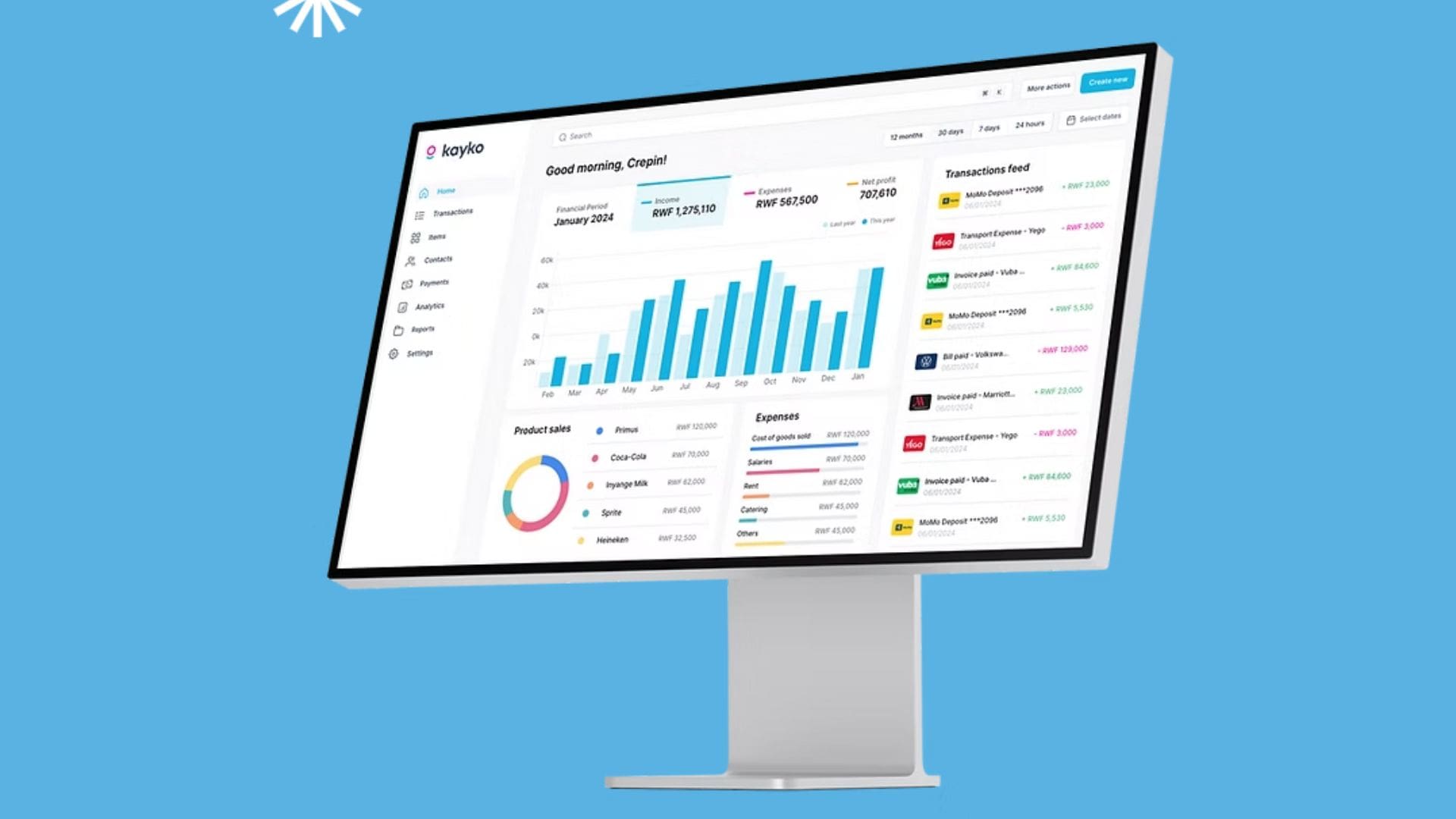
Kigali fintech Kayko has closed a $1.2 million seed round to scale a micro-ERP product that turns informal merchants’ daily activity into the kind of digital evidence banks need to lend.
Investors in the round include Burrow Capital, the Luxembourg Development Agency LuxDev, Hanga Ignite from the Development Bank of Rwanda, and develoPPP Ventures.
The funding comes as East African fintechs shift from pure payments plays toward data platforms that feed credit decisions and working capital products.
Kayko’s core product packages bookkeeping, inventory tracking and tax-compliance services into a lightweight app that merchants can use on their phones, and the startup says more than 8,500 merchants are already on the platform.
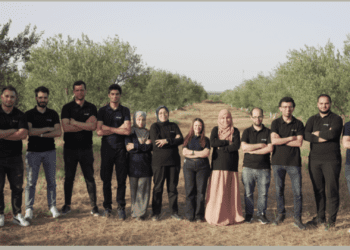
The company was founded in 2021 by brothers Crepin and Kevin Kayisire after completing a capstone project at African Leadership University. The founders built the product from a personal case: their mother’s difficulty in obtaining a business loan due to lack of formal records.
Small traders often run profitable, repeatable businesses but lack verifiable records. Kayko captures cash flows and operational traces in near real time, then turns that raw telemetry into a data layer that lenders can use to score risk.
With the new capital, Kayko plans to enhance its infrastructure, refine proprietary credit models, and pilot working capital lending through partnerships with banks and microfinance institutions.
This move shows a wider industry trend. Payments businesses across East Africa are expanding into “data as a service” offerings to address the continent’s large SME finance gap.
In Rwanda alone, formal MSMEs face an estimated annual shortfall of about $1.2 billion, a gap that simple payment rails will not close on their own. By supplying borrowable signals instead of collateral, firms like Kayko aim to make SMEs visible to formal lenders.
There are practical reasons to be optimistic about Kayko’s timing. Rwanda has a compact market and a relatively harmonised regulatory environment, which can speed product-market fit and partnerships with local banks.
The country’s tax and registration systems also facilitate the integration of machine-readable compliance signals into a lending workflow. Early traction of 8,500 merchants suggests product-market fit among at least a segment of micro and small traders.
That said, there are several hurdles to overcome. First, data quality and completeness will determine whether financial institutions accept Kayko’s scores at scale. Transactional noise, seasonal income swings and informal cash handling can all complicate modeling.
Onboarding merchants and maintaining data capture require field support and product simplicity; monetising at acceptable margins will likely depend on fee splits with lenders or subscription tiers, not solely on merchant fees.
Then another is credit performance will shape future capital flows. If default rates on partner loans are high, banks may tighten access and slow deal flow, constraining Kayko’s revenue growth.
Competition is another factor. Regional players that already offer merchant tooling, distribution or working capital may add similar scoring layers, or partner with lenders first.
Kayko’s local focus on Rwanda is an advantage for product fit, but expansion will require interoperability with different payment ecosystems and varying regulatory regimes across neighbouring markets.
From a policy and impact perspective, the company’s approach can enhance formalisation and compliance, expand access to credit, and create a more visible small business sector for policymakers.
However, these benefits must be balanced against concerns regarding privacy and data governance. Clear consent flows, secure storage, and transparent scoring logic will be essential if lenders, regulators and merchants are to trust the system.
The pace at which Kayko turns its merchant base into bank-connected credit customers, the default and repayment metrics on early working capital pilots, the revenue model it adopts for scaling, and how quickly it can export its model beyond Rwanda while maintaining data integrity.
Kayko’s seed round is consistent with a pragmatic shift in African fintech: from moving money to making money measurable.
If the startup can convert merchant activity into reliable lending signals and keep acquisition costs low, it could help bridge a stubborn gap in SME funding.
If it cannot, the broader lesson will be that data without disciplined underwriting and hands-on partnership is only half the answer.
This post first appeared on Launch Base Africa.
Don’t miss important articles during the week. Subscribe to techbuild weekly digest for updates