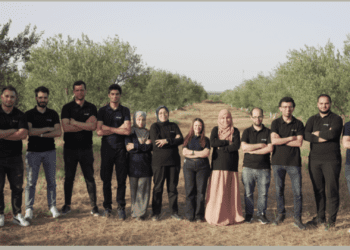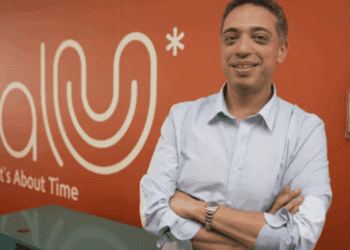



Egyptian fintech startup PALM has closed a 7-figure pre-seed funding round led by 4DX Ventures, with support from Plus VC and several global angel investors.
The Cairo-based company, founded by Mazen El Kerdany and Ahmed Ashour, is building a goal-based savings platform aimed at helping Egyptians better manage their finances and reach personal milestones through a combination of smart investment tools and incentives.
Rather than simply offering another digital wallet or basic savings product, PALM takes a more structured and personalized approach.
It enables users to set specific life goals, such as saving for education, medical needs, travel, or large purchases, and pairs those goals with curated investment strategies.
By blending fixed income, equities, and precious metals with behavioral rewards, the app encourages long-term saving habits and gives users access to exclusive offers from partnered merchants.
The idea is simple: saving should not just be disciplined, it should be rewarding. Users are incentivized for staying consistent, while the app aims to deliver real returns through diversified allocations and reduce unnecessary spending through embedded perks.
In practice, this means someone saving for a washing machine or holiday might not only reach their goal faster but also pay less when purchasing it.
According to CEO El Kerdany, the problem isn’t that Egyptians can’t save—it’s that they lack access to tools that make their money work smarter.
With bank deposits at around EGP 8 trillion, gold holdings nearing EGP 7 trillion, and real estate assets topping EGP 70 trillion, there is significant idle capital in the system.
What’s missing is a platform that helps people set targets, build discipline, and gain investment exposure in a way that aligns with their day-to-day lives.
The two co-founders bring a strong combination of industry experience. El Kerdany has managed billions in investments at firms like EFG Hermes and Beltone, while Ashour has worked at global firms such as Amazon and Goldman Sachs.
Together, they’re aiming to bring savings products closer to how Egyptians earn, spend, and think about money, replacing the passive “save-what’s-left” model with a more structured, forward-looking approach.
The new funds will be used to grow PALM’s user base, expand its savings and investment use cases, and deepen partnerships with merchants and financial institutions.
The company also plans to introduce more features that cater to Egypt’s unique savings culture, making the platform more relatable to a wider demographic, including the underbanked.
From a broader perspective, PALM’s model complements Egypt’s Vision 2030 goals, particularly around financial inclusion and increasing household participation in capital markets.
It also shows a growing trend across the region: fintechs that don’t just digitize services but actively help users plan and improve their financial outcomes.
With more fintech solutions emerging across North Africa, PALM’s focus on goal-based saving could strike a chord in a market where financial planning is often informal and reactive.
The real test ahead will be scale, and whether PALM can grow into a platform trusted not just for savings, but for guiding major life decisions.
Don’t miss important articles during the week. Subscribe to techbuild weekly digest for updates