

OpenAI recently rolled out a significant upgrade to its AI image generation capabilities within ChatGPT, positioning the feature as a more practical creative and editing tool while responding to competitive pressure from Google’s recent launch of its own advanced image model, Nano Banana Pro.
The upgraded image feature, powered by the GPT Image 1.5 model, is available to all users and through OpenAI’s API, bringing faster generation times, more accurate instruction-based edits, and enhanced fidelity to the platform’s visual content tools.
This release reflects a shift in focus for OpenAI’s image generation efforts. Earlier iterations of AI art tools were often framed around novelty or experimental outputs.
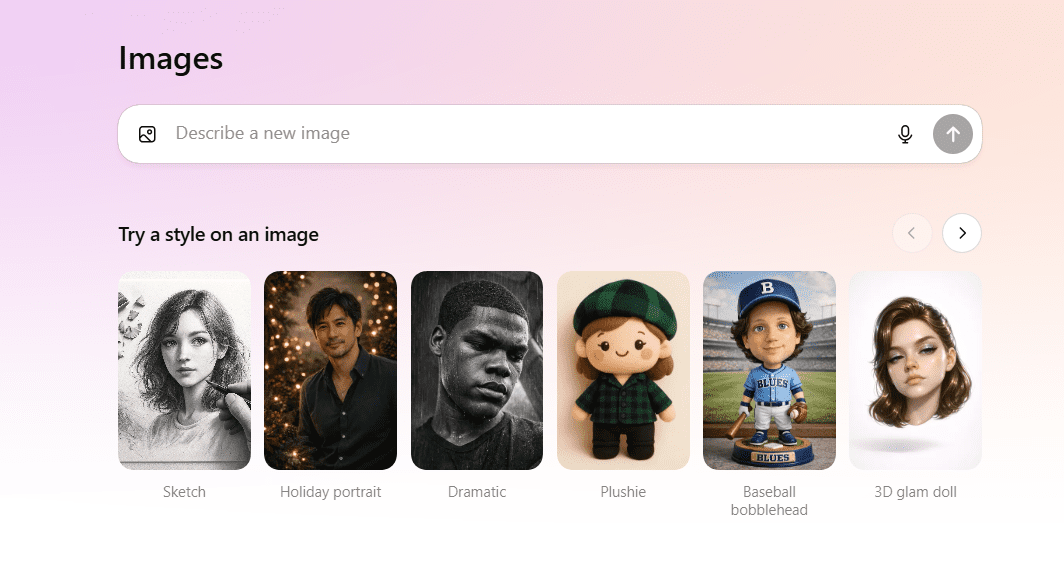
The GPT Image 1.5 update, however, places emphasis on usefulness and workflow integration: a dedicated “Images” tab in ChatGPT makes visual creation more accessible, preset filters and prompt suggestions guide users through the process, and improved editing fidelity is aimed at applications such as e-commerce asset creation, marketing visuals, and polished media projects.
The timing of this update aligns closely with competitive activity from Google. The company’s Gemini 3-powered Nano Banana Pro made headlines for high-fidelity image generation, improved text rendering within images, and support for multi-image compositions.
Google’s model also includes infrastructure to embed invisible watermarks in generated content and offers support for higher-resolution exports, reflecting a broad push to translate generative AI into creative and enterprise workflows.
OpenAI’s strategic response with GPT Image 1.5 frames the competition not merely in terms of output quality but in how such tools fit into broader digital ecosystems.
With a more structured interface and performance boosts, ChatGPT Images aims to reduce the friction between idea and execution.
From a platform perspective, the competitive dynamic between OpenAI and Google highlights a larger transition in the AI field from proof-of-concept features to integrated visual toolsets that can support business use cases.
Companies building ecommerce platforms, marketing agencies, and even internal creative teams at larger enterprises are more likely to adopt image-generation tools that can produce consistent branding, handle detailed edits, or generate multiple iterations quickly. OpenAI’s refinements target precisely these requirements.
That said, differences in philosophy between the two rivals remain. Google’s Nano Banana Pro, for example, leans heavily into sophisticated control over lighting, composition, and multi-image blending.
OpenAI’s approach, by contrast, appears to emphasize access and ease of use within ChatGPT’s broader conversational interface, bringing visual tools directly into a context where users already ask questions, generate text, and explore ideas.
The competition also reflects a broader shift in how generative AI features are being positioned within mainstream workflows.
Where image generation was once a playground for creative exploration, it is now increasingly characterized by enterprise-ready features that promise predictable, repeatable results suitable for commerce, advertising, design and documentation. Both platforms are racing to capture that demand.
From where the industry stands today, neither side has clearly dominated. Real-world adoption will depend on factors such as integration with existing toolchains, pricing for high-volume usage, support for localized or domain-specific outputs, and how well the models handle edge cases like text legibility or consistency across related images.
Users and developers who experiment with both Nano Banana Pro and GPT Image 1.5 will likely choose based on workflow context rather than simple benchmark scores.
The upgraded ChatGPT Images launch represents OpenAI’s effort to move from generative AI as a novelty toward generative AI as a practical creative and productive asset, especially in competitive response to Google’s advances.
With both companies solidifying their offerings, the bigger question will be how these tools integrate into broader digital ecosystems and whether users adopt them as work tools rather than just creative toys.
Don’t miss important articles during the week. Subscribe to techbuild weekly digest for updates