



Mark Zuckerberg walked on stage at Meta Connect yesterday with a bold declaration: glasses will be the vessel for “personal superintelligence.”
What followed was perhaps the company’s most coherent vision yet for moving beyond the smartphone era, backed by three significant hardware announcements that signal Meta is serious about owning the next computing paradigm.
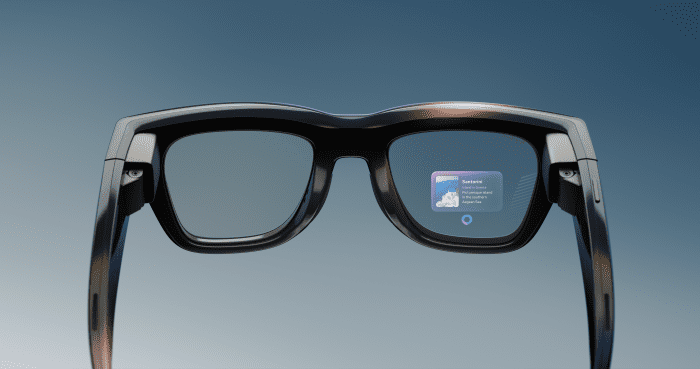
The centerpiece wasn’t another VR headset or metaverse platitude. Instead, Meta unveiled the Ray-Ban Meta Display glasses; its first consumer device with an actual screen, paired with a breakthrough wrist-worn controller called the Neural Band that reads electrical signals from your muscles to enable silent gesture control.
This isn’t just iterative hardware improvement. Meta is betting that the combination of always-on AI, augmented displays, and neural interface technology will fundamentally change how we interact with computers.
And unlike previous Connect conferences heavy on promises about virtual worlds, this year’s announcements feel grounded in technology that actually exists and problems people actually have.
The Neural Band Gambit
The Neural Band represents Meta’s most significant hardware breakthrough since the Quest headset. Using surface electromyography (sEMG) technology the company has been developing since 2021, the waterproof wristband can detect subtle finger movements and hand gestures, translating them into commands for the connected glasses.
Meta demonstrated the technology at last year’s Connect with its Orion AR prototype, but productizing it for consumers required solving massive engineering challenges around battery life, comfort, and reliability.
The shipping Neural Band lasts 18 hours and works seamlessly with the Display glasses to let users navigate interfaces, control media, and interact with AI without touching anything or speaking aloud.
Industry experts have long predicted that neural interfaces would eventually replace touchscreens and voice commands, but most assumed we were still years away from consumer-ready implementations.

Meta’s decision to ship this technology now; rather than wait for perfect implementation, suggests the company sees a narrow window to establish dominance in ambient computing before Apple or Google make their moves.
The Display glasses themselves pack impressive specs for a first-generation product. The monocular display delivers 42 pixels per degree (higher resolution than Meta’s VR headsets) with brightness up to 5,000 nits, making it readable even in direct sunlight.
The display disappears when not in use to avoid distraction, addressing one of the key usability concerns that doomed Google Glass a decade ago.
At $799 for the glasses and Neural Band combo, Meta is clearly positioning this as premium technology for early adopters rather than mass market adoption. But the company’s track record suggests prices will drop rapidly once manufacturing scales up.
Beyond Early Adopter Hardware
Meta’s broader AI glasses strategy reveals ambitions that extend far beyond selling hardware. The company announced significant improvements to its Ray-Ban Meta partnership, including doubled battery life, 3K video recording, and new “conversation focus” technology that amplifies human voices in noisy environments.
More tellingly, Meta is working to eliminate the need for wake words entirely, transitioning toward “always-available” AI assistance that can see, hear, and respond to the world around users continuously.
Current battery constraints limit this to one or two hours, but Meta’s roadmap clearly points toward all-day ambient intelligence.

The introduction of the Oakley Meta Vanguard glasses for sports and outdoor activities signals Meta understands that mainstream adoption requires devices tailored for different lifestyles and use cases.
With nine-hour battery life, waterproof design, and integration with fitness platforms like Garmin and Strava, these glasses target a specific audience willing to pay $499 for specialized functionality.
Perhaps most importantly, Meta is positioning its glasses as assistive technology rather than just consumer gadgets.
The company highlighted partnerships with Blind and Low Vision organizations and revealed that VA Blind Rehabilitation Centers are already issuing Ray-Ban Meta glasses to veterans.
This creates a powerful narrative around accessibility and practical utility that transcends typical tech marketing.
The Metaverse Pivot Continues
While AI glasses dominated the spotlight, Meta’s virtual reality efforts continue evolving in interesting directions.
The new Horizon Engine promises 4x faster loading times and support for 100+ concurrent users in virtual spaces, addressing long-standing technical limitations that have hindered VR adoption.
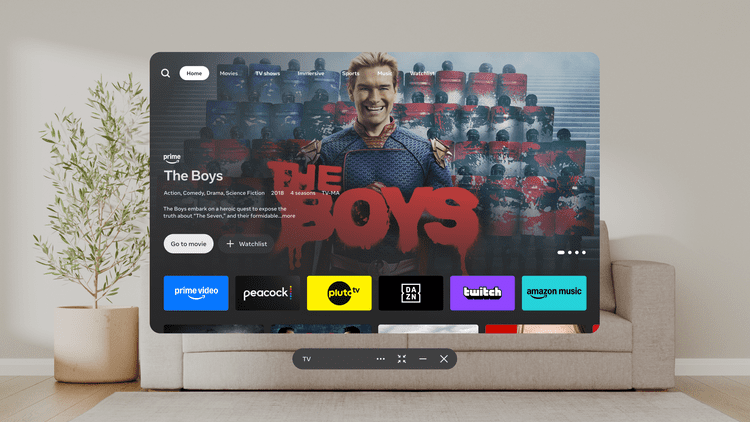
More significantly, Meta announced partnerships with Disney+, Universal Pictures, and James Cameron’s Lightstorm Vision to bring premium entertainment content to VR with immersive elements that go beyond traditional viewing.

The exclusive Avatar: Fire and Ash 3D clip represents the kind of tentpole content that could drive headset adoption among mainstream consumers.
The introduction of Hyperscape Capture, which lets users scan real rooms and convert them into photorealistic virtual spaces, points toward a future where the boundaries between physical and digital environments become increasingly blurred.
This technology could eventually enable the AR experiences Meta has long promised once the display technology catches up.
Racing Against Time and Competition
Meta’s aggressive push into AI glasses comes as the company faces intensifying competition from Apple, Google, and emerging players like Snap and ByteDance.
Apple’s Vision Pro showed that consumers will pay premium prices for compelling mixed reality experiences, while Google’s recent AI advances and rumored hardware efforts pose a direct threat to Meta’s ambitions.
The timing feels crucial. Meta has spent billions developing VR technology while its core advertising business faces headwinds from privacy changes and TikTok competition.
AI glasses represent a potential path to owning the next platform shift while generating new revenue streams from hardware sales and AI services.
Success won’t be guaranteed. Previous attempts at mainstream smart glasses have failed due to privacy concerns, battery limitations, and unclear value propositions.

Meta’s glasses still face questions about social acceptance, data collection, and whether consumers actually want computers embedded in their daily lives.
But yesterday’s announcements suggest Meta has learned from past mistakes. By focusing on practical utility, partnering with established eyewear brands, and solving real accessibility challenges, the company is building a foundation for sustainable adoption rather than just generating headlines.
The next computing platform is taking shape, and Meta is betting everything that it will be worn on our faces rather than held in our hands. Based on what we saw at Connect, that bet is looking increasingly prescient.
Don’t miss important articles during the week. Subscribe to techbuild weekly digest for updates