


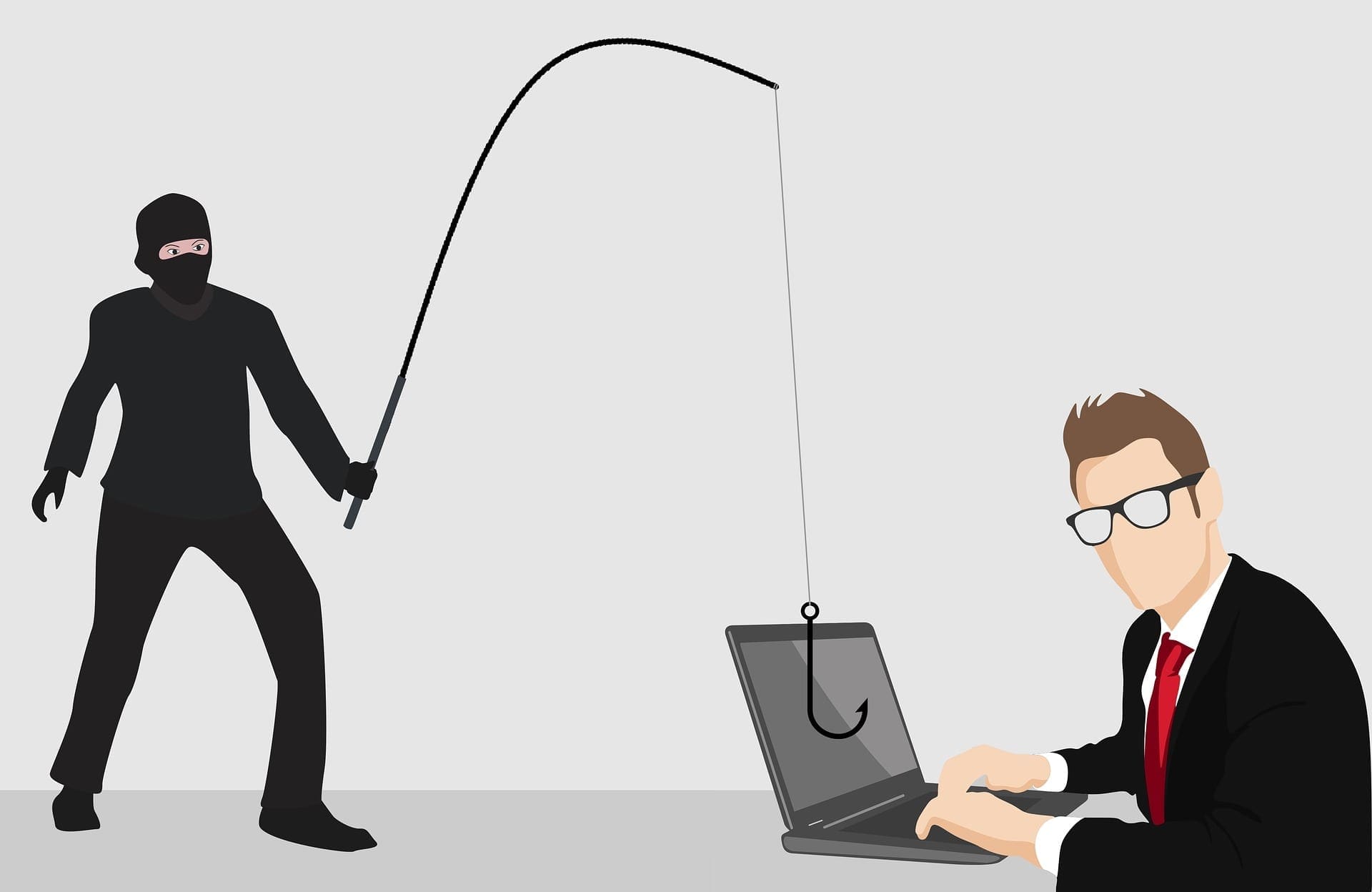
Cybercrime is being perpetrated on daily basis and the notion that cybercriminals only attack big organisations, is totally wrong, as the rate at which, small businesses are being targeted and attacked, is alarming and on the rise.
According to the Ponemon Institute’s 2017 State of Cybersecurity in Small & Medium-Sized Businesses report, “the percentage of small businesses that have experienced a cyber-attack, rose from 55 percent in 2016, to 61 percent in 2017”.
As of 2017, the average malware-related costs, for small and medium-sized businesses was about $1,027,053, due to damage, or, theft of IT assets and $1,207,965, due to disruption to normal business operations.
The common tactics, through which, cybercriminals gain access to small businesses network, is through an email attachment.
In 2018, Symantec’s Internet Security Threat Report showed that 88 percent of malicious emails use malware-laden attachments to trap unsuspecting victims.
Now how do you ensure creating some small business security from this malicious act?
Below are some small business security tips that will definitely help to protect you from cyber attack:
Firewall Usage: This is the first line of defense, as it provides a blockage between your data and cybercriminals.
It is also necessary that you install internal firewalls, as this will serve, as a double-layer defense.
Use long and complicated password: The trick here is to confuse, all potential hackers, but ensure that, they are passwords that you can remember.
The Verizon 2016 Data Breach Investigations Report, found that 63 percent of data breaches happened, due to lost, stolen or weak passwords.
Ensure that, you and your employees’ passwords entail, lower case letters, upper case letters, symbols, and numbers.
Back up Data Every time: Sometimes, it is possible for data to be breached, irrespective of the preventive measures employed. Ensure that, all Data, stored in the cloud is backed up.
Check your backup regularly, to ensure that it is still functioning, with no technical disruption and click on the backup icon every day to ensure that, the latest data is stored.
Ensure that your software is updated: It has been known that Cybercriminal frequently uses known exploits, or, flaws, in software, to gain access to people’s systems.
Ensure that, those loose ends are blocked and tightened up, with no loopholes for hackers to sneak in and it, thereby, reduces the risk of you, becoming a target of cybercriminals.
Multi-factor identification: Ensure that, you use the multi-factor identification settings on most major networks. This serves as double-layer protection, as it keeps your identity and information safe.
You could also read up how to combat cybersecurity threats here and also mitigating against cyber threats in the digital age.