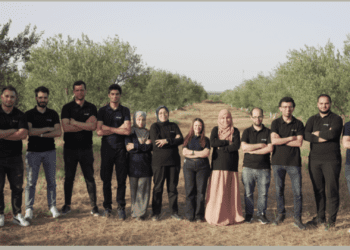



Egyptian digital lender Flend has raised $3 million in a seed round that includes both equity and debt financing.
The round was led by Egypt Ventures, with participation from Camel Ventures, Sukna Ventures, Plus VC, Banque Misr, and regional family offices including El Sewedy and Baalbaki. On the debt side, Flend secured facilities from MSMEDA and other local banks.
Founded to address persistent challenges around SME access to capital, Flend operates as a fully regulated Digital Non-Banking Financial Institution (Digital NBFI) under Egypt’s Financial Regulatory Authority.
The company offers short-term working capital through a fully digital lending process, from onboarding and credit scoring to disbursement and repayment, with legally binding e-contracts and e-signatures.
Flend integrates directly with digital platforms used by SMEs, enabling the embedding of lending into the supply chains and commercial workflows of sectors like healthcare distribution, agri-food, manufacturing, e-commerce, retail, and exports.
This approach helps reduce customer acquisition costs and improves the company’s access to real-time business data for credit decisions.
With Egypt’s SME financing gap estimated at $50 billion, Flend plans to scale its operations by deepening partnerships, growing its team, and strengthening its tech infrastructure.
CEO Ahmed Zaki said the company aims to inject EGP 1 billion into the SME sector within the year, focusing on short-term capital loans embedded where businesses already operate.
Hasan Haider, Founder of Plus VC, noted that access to SME financing remains a key constraint in Egypt and across the region. Flend’s embedded, digital-first lending model aims to address this problem at the core of where commerce happens.
The financing gap for SMEs isn’t new, but few startups on the continent have cracked the challenge with digital efficiency and regulatory backing.
Flend’s model of embedding financing directly into business platforms feels like a timely response to where the demand lies, not just at banks, but where real economic activity takes place.
What remains to be seen is how well the company can scale integrations, manage risk at volume, and stay agile in an environment where informal business operations are still the norm.
This post first appeared here.
Don’t miss important articles during the week. Subscribe to techbuild.africa weekly digest for updates