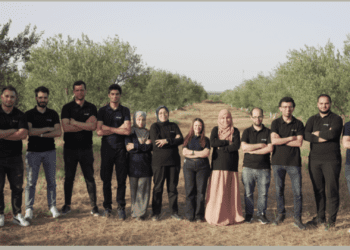
Pylon, an Egyptian infrastructure management platform for developing market water and energy utilities, has secured a seed round of $19 million.
Endure Capital, based in the United States, led the transaction, which was funded by British International Investment (previously CDC Group), the UK government’s development finance organization. Cathexis Ventures, Loftyinc Ventures, Khawarizmi Ventures, and numerous undisclosed angel investors are among the participants.
Pylon has operations in Egypt and the Philippines at the moment. Pylon will use a portion of the initial investment to grow into additional emerging regions, such as Southeast Asia, Latin America, and Africa.
This is the firm’s first venture round of funding. Pylon has been bootstrapped since 2017, according to CEO Ahmed Ashour and CTO Omar Radi.
For more than a decade, Ashour has worked in the metering and utility industry, leading the implementation of smart metering technologies, notably hardware, for a variety of organizations in Africa, Europe, Asia, and the Middle East.
Pylon, according to the CEO, solves a number of problems for water and distribution firms. For starters, they have a high rate of unpaid debts and consequently lose out on a lot of money.
Second, they pay a lot of money for energy and have to deal with water theft. Third, technical losses occur on the grid and network as a result of poor maintenance or law enforcement.
These three challenges contribute to these businesses losing 40% of their revenue and, as a result, they are not able to upgrade their solution or put in place a smart infrastructure due to expensive expenses.
Pylon develops solutions for water and power distribution firms to assist them to become more productive and keep it under control. The firm estimates that hundreds of billions of dollars are lost each year in emerging economies. It’s a huge potential to boost those utilities’ total revenues and top line by 50%.
Pylon’s software collects data from the grids, analyzes it, and pinpoints where supply chain theft and losses occur. It then automates the organizations’ invoicing processes, much like telecom providers in these markets have done in the past.
Pylon claims it can assist utility businesses cut losses by 8% while also increasing their bottom line with no upfront expenditure.
Customers are not charged an upfront fee for the gear, according to the business. Its smart metering-as-a-service (SMaaS) model, on the other hand, makes it simple for cash-strapped utility firms to install its solution on a large scale.
Pylon’s revenues increased by 3.5 times in 2021, and the company believes to be profitable. Apart from developing a successful company, the founders are concerned about how Pylon’s smart electrical networks contribute to environmental sustainability.
The Y Combinator-backed business estimates that the potential market for water and energy distribution in ten emerging economies is worth more than $20 billion.
It is now concentrating on a quarter of that total, which includes Egypt, the Philippines, Brazil, and Africa. According to Ashour, the Egyptian company’s current ultimate goal is to gain greater market share over time, and an extension to Southeast Asia, another fragmented market, is in the works.
Techbuild’s Take
For most individuals on the African continent, access to energy and clean water remains a major issue. Companies are already on the lookout for new chances.
Those with local knowledge who have found viable solutions, particularly for their areas, and are already taking the necessary measures to provide energy and water supply solutions are the most beneficial.
These businesses not only provide solutions to these issues, but they also develop new concepts to make life easier for their residents while lowering carbon emissions, one such company is Pylon.
One of Pylon’s objectives is to reduce total Carbon footprints by 1 gigaton by 2035. Water losses in developing markets, on the other hand, exceed 45 million cubic meters per day.
Pylon, according to the business, can cut this by up to 22%, giving enough water to supply over 40 million people.
There has always been a market vacuum in Egypt and other growing markets for solutions targeted to the demands of water and power providers.
These companies used software created for developed economies with distinct needs and issues than Siemens, Oracle, and SAP, which couldn’t match the requirements of distributors in developing markets.
Already, Pylon is used by over 12 different utilities (seven private and five public). In Egypt and the Philippines, they serve over 1 million metering endpoints over 26 different meter variants.
Featured Image: Pylon Co-founders
Don’t miss important articles during the week. Subscribe to techbuild.africa weekly digest for updates.