
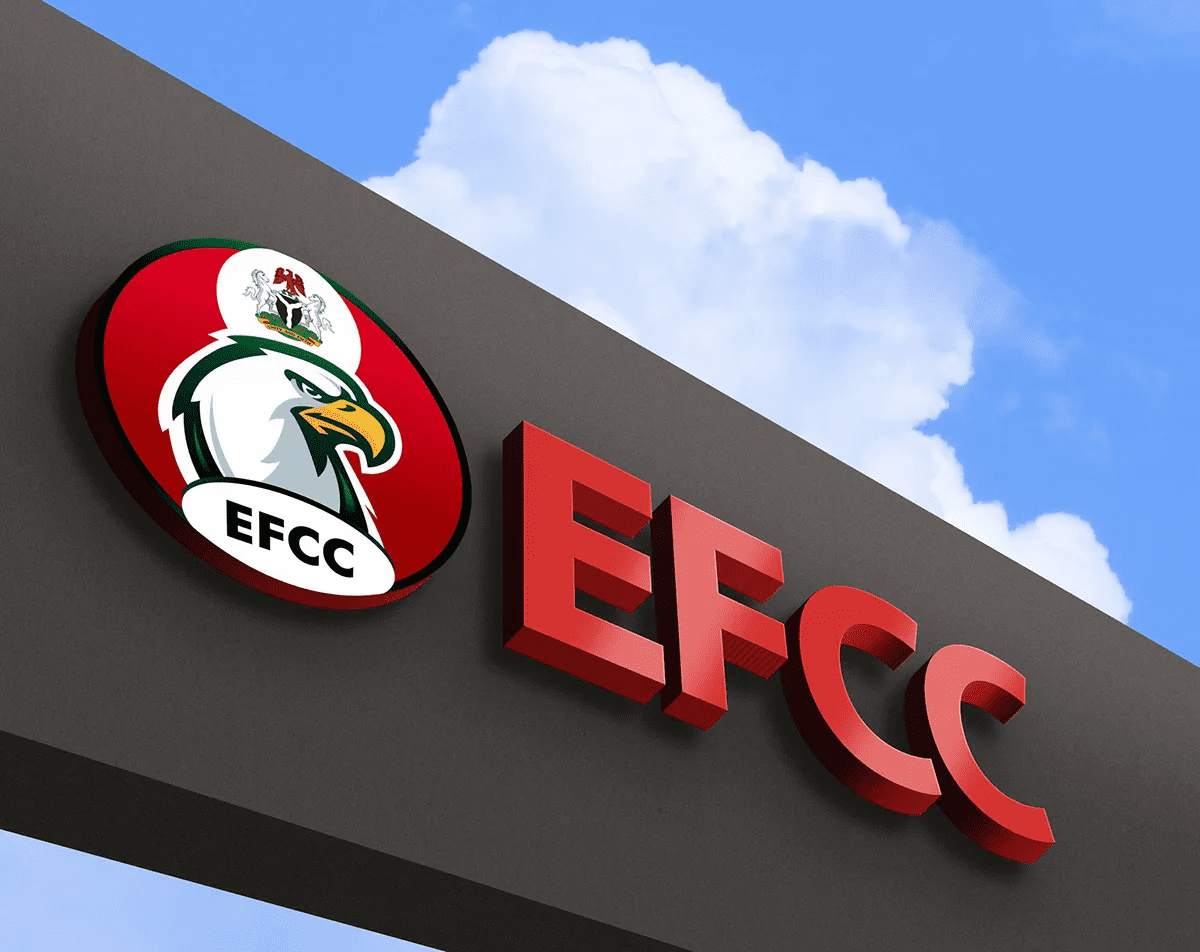
The Economic and Financial Crimes Commission (EFCC) of Nigeria has filed criminal charges against cryptocurrency trading platform Afriq Arbitrage System (AAS) and its CEO, Jesam Michael, for allegedly perpetrating an unlicensed investment scheme that defrauded investors of over $844,000, $10,000, and ₦590 million.
According to the EFCC, the alleged offences occurred between September 2022 and June 2023 in Abuja.
During this period, Michael and his company were accused of soliciting public investments without authorization from the Central Bank of Nigeria (CBN) or any recognized financial authority.
The commission claims AAS advertised itself as a safe investment platform, inducing people to deposit funds with promises of guaranteed returns and refunds on demand.
One of the charges specifically accuses Michael and AAS of misleading investor Ladi Musa Audu into depositing $844,416.36 in USDT, based on false assurances that the funds were secure and retrievable.
The EFCC contends that Michael knew these representations were untrue. According to the commission, these violate the Advance Fee Fraud and Other Related Offences Act No. 14 of 2006 and the Banks and Other Financial Institutions Act (BOFIA), 2020.
In addition to fraud, the EFCC accuses the defendants of operating in the financial services sector, including investment management, without proper licensing, constituting a breach of Section 44(1) of BOFIA.
This development comes amid a broader regulatory effort in Nigeria to bring digital asset operations under formal supervision.
In August 2024, the Securities and Exchange Commission (SEC) began granting operating licenses to crypto-focused companies under its Accelerated Regulatory Incubation Programme (ARIP). However, progress has been slow.
SEC Director General Emomotimi Agama recently attributed the delays in approving more licenses to the extensive due diligence required.
He noted that while the SEC is leading the licensing process, other government agencies, including the EFCC, the Nigerian Financial Intelligence Unit (NFIU), and the Office of the National Security Adviser (ONSA), play vital roles with independent procedures that can impact timelines.
Many crypto startups that applied for approval under the ARIP framework in June 2024 are still in discussions with regulators. The SEC says these ongoing consultations aim to clarify compliance expectations and strengthen consumer safeguards.
Our Thoughts
This case underscores Nigeria’s regulatory tightrope as it balances innovation with consumer protection.
The charges against Afriq Arbitrage System serve as a reminder that enforcement is catching up with a sector that has operated in a grey area for too long.
From years of reporting on Nigeria’s financial ecosystem, it’s clear that clarity and enforcement must go hand-in-hand.
While regulatory delays can frustrate legitimate operators, unchecked platforms create greater risks for investors and taint the ecosystem.
Moving forward, faster coordination between agencies like the EFCC, SEC, and CBN will be essential if Nigeria is to build a responsible digital asset market that rewards transparency and penalizes exploitation.
Don’t miss important articles during the week. Subscribe to techbuild.africa weekly digest for updates