

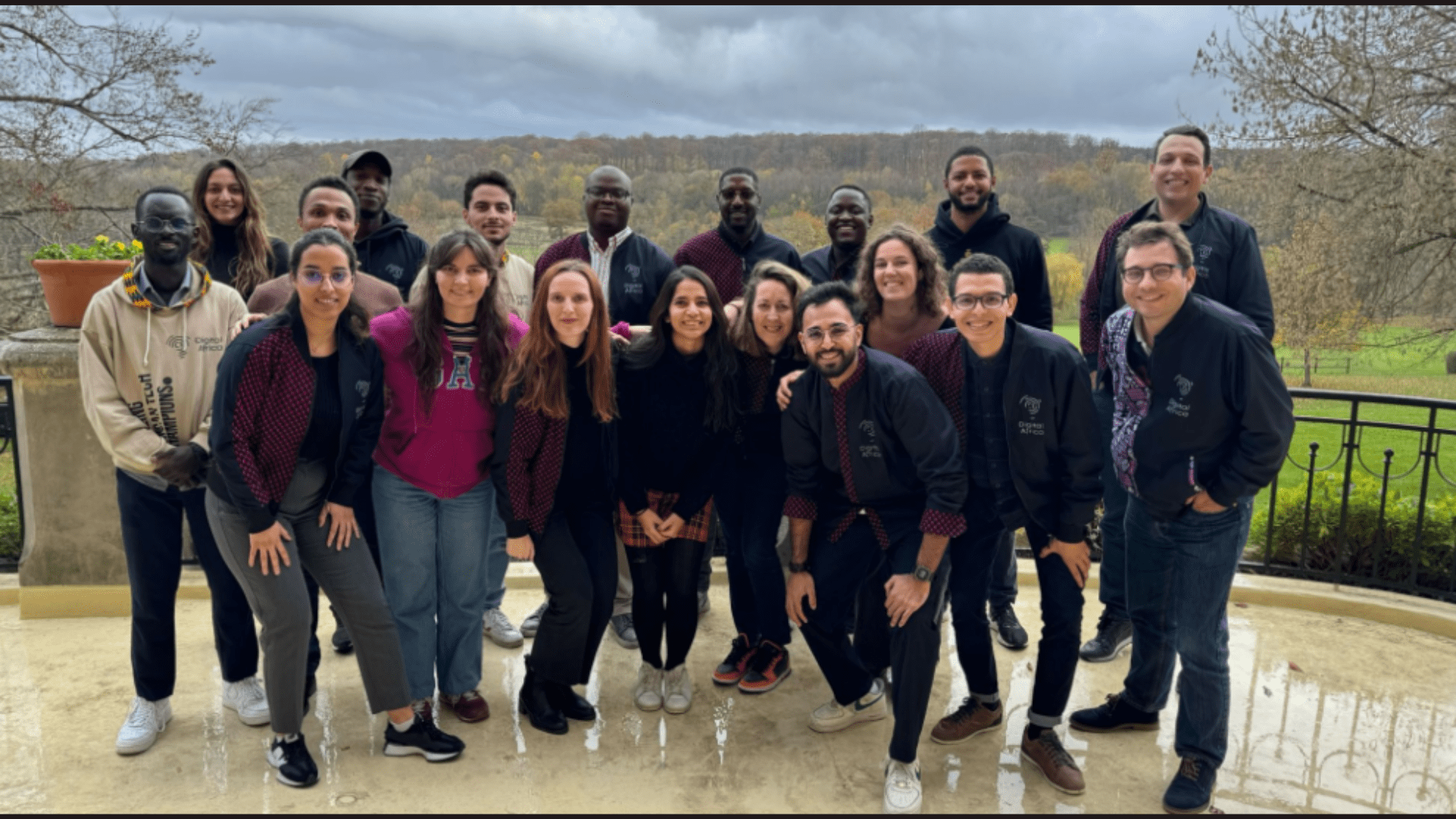
Digital Africa has unveiled the Digital Africa Seed Fund, a new pan-African seed vehicle targeting between €30 million and €50 million to back early-stage startups across the continent.
Announced at the Africa Forward Summit in Nairobi on 12 May 2026, the fund plans to write cheques ranging from €300,000 to €2 million for about 30 technology companies across roughly 20 countries, with a clear focus on markets that still receive too little venture backing.
The timing of the launch gave it added visibility. It came during the summit’s closing session, where French President Emmanuel Macron said his office had lined up €23 billion in investment commitments for Africa.
The seed fund sits within that larger political and investment push, though its mandate is much more specific and far more grounded in the practical realities of startup financing.
The logic behind the fund is easy to follow. Venture capital in Africa remains heavily concentrated in just a handful of markets, which leaves many founders in Francophone West Africa, East Africa, and other overlooked regions with far less access to institutional capital.
In many cases, the issue is not only smaller cheques, but a thinner support system for spotting promising startups early and helping them grow into companies that can later attract bigger investors.
Digital Africa is betting that the opportunity is there, but the pipeline is still fragmented. That is not a new argument, and several other pan-African seed investors have made it before, including Antler, Launch Africa, and a number of vehicles backed by development finance institutions.
The hard part has always been execution. Reaching founders in multiple underfunded markets, investing at the right stage, and supporting companies after the deal closes requires more than capital.
That is where Digital Africa is trying to differentiate itself. The organization is presenting the fund as both an investor and a technical partner, working alongside funding and field partners to improve sourcing and post-investment support.
That model could help it build better access to founders outside the usual hubs, although the real test will be whether it can maintain discipline and consistency across 20 countries at once.
The launch also fits into a broader shift in France’s Africa strategy. Relations with several Sahel states have deteriorated in recent years after military coups and the withdrawal of French forces from Mali, Burkina Faso, and Niger.
Against that backdrop, events like the Africa Forward Summit and the surrounding investment announcements look like part of an effort to reset the relationship around business and capital rather than security.
Digital Africa’s fund is still a commercial instrument first. It is backed by development finance, but its success will depend on the same things that matter for any early-stage fund: quality deal flow, founder trust, strong follow-on support, and returns that justify the risk.
Its placement within the AFD Group ecosystem and its launch at a summit with strong French state participation also gives it a political dimension, whether the fund itself wants that or not.
For founders, the bigger question is simpler. Will the money actually reach the markets that need it most, and will it arrive on terms that make sense for early-stage companies? A seed ticket of €300,000 to €2 million can be transformative in many African markets, especially where early capital remains scarce and even modest rounds can change the trajectory of a business.
The fund will be judged less by the size of the announcement and more by how it behaves on the ground. Africa already has no shortage of broad commitments. What tends to matter is if a fund can identify overlooked companies early, back them patiently, and stay useful after the cheque clears. That is where Digital Africa will either build real credibility or become another well-intentioned platform with a narrow footprint.
Don’t miss important articles during the week. Subscribe to techbuild weekly digest for updates