An average individual might believe that these two classes of individuals are different.
However, the similarities shared between someone in academia and an entrepreneur are not far fetched, reasons being that both are very driven to succeed, having tested assumptions (ideas), and followed processes through periods of great uncertainty to pursue a course they believe in.
According to Pragmatic Startups, academics and entrepreneurs have the same hopes and dreams generally speaking.
They have the same fear of failure while working in a very complex and sometimes uncompromising environment.
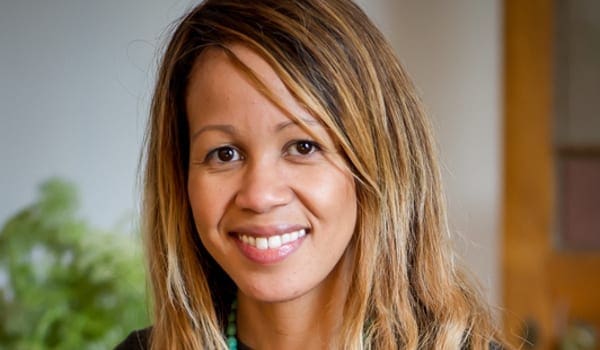
The experience of Aisha Pandor, co-founder of SweepSouth, an online cleaning service platform, is a case study.
After a prestigious long career as a geneticist, Pandor moved to work as a management consultant in a corporate organisation.
A couple of years later, she and her software engineer husband both decided to quit their jobs, sell their car and house, and move in with her parents.
Transitioning from the academic space to launching a startup couldn’t have been easy on her.
She said, “I’m incredibly proud that we had an idea, and that instead of spending a life of “what if”, we had the guts (or insanity!) to sell everything we had to back it”
In an interview, Aisha Pandor, relates her experiences as an academic and how they helped shape her career as an entrepreneur.
“One of the biggest things I learned in academia was how to learn quickly, well, and independently, and apply that knowledge in a number of different settings.”
Both have similar processes such as:
Assumption
The starting point for both entrepreneurs and academics is an assumption or idea.
For Pandor, she believes that a researcher uses their knowledge to develop hypotheses.
Similarly, an entrepreneur comes up with an idea which they try to flesh out with some early market research to support it.
Research
The next step the researcher takes is to measure and find out the feasibility of the conceived idea, as well as the value it holds.
For entrepreneurs too, conducting proper market research to support an idea is a crucial step when starting an innovative business
Experiment
A researcher carries out a series of testing to know if their hypotheses work and under what condition.
In the same way, Pandor explains that an entrepreneur also tests out their ideas in a setting that in many ways is unique.
“You keep experimenting and iterating as you go along, based on the feedback you’re getting from the market.”
Dedication
Most of the time, both academics and entrepreneurs do what they do because of the passion they have for it, which now drives them to make a difference.
This calls for a strong work ethic and making many sacrifices
In the same vein, Pandor did not shrink from making sacrifices.
She said, “I also developed a strong work ethic as a researcher, spending birthdays, New Year’s Eve, and some nights sleeping in the laboratory and missing out on many important friends and family events.
This really prepared me well for the 16 plus hour workdays and seven day work weeks that come with entrepreneurship, especially in the early days.”
Featured Image: Aisha Pandor, Co-founder, SweepSouth
Don’t miss important articles during the week. Subscribe to techbuild weekly digest for updates.