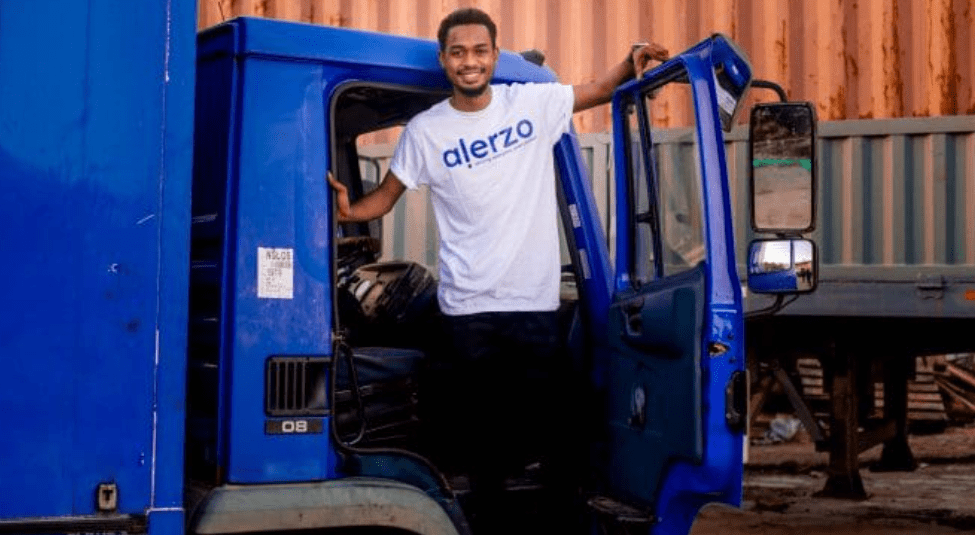
Alerzo, the Nigerian B2B e-commerce startup that once aimed to reshape FMCG distribution, is winding down several Singapore-based special purpose vehicles even as its main holding company, Alerzo Pte. Ltd., remains active.
This is coming about two months after a Nigerian court froze the company’s accounts over a ₦4.38 billion debt dispute with Moniepoint Microfinance Bank.
The notices cover Alerzo Bridge Financing Pte. Ltd., Alerzo Capital Pte. Ltd., Alerzo New SPV Pte. Ltd., and Alerzo Series A Pte. Ltd. A sub-fund called Alerzo 1A was also dissolved under Singapore’s Variable Capital Companies framework on April 20, 2026.
In Singapore, this kind of striking-off generally means the entity has stopped operating, has no assets, and carries no outstanding liabilities.
The timing has raised eyebrows because the closures landed soon after the Nigerian asset freeze, which suggests the company may be trying to isolate liabilities or reduce exposure around its overseas financing structure.
Corporate restructuring specialists often view the shutdown of SPVs after a legal shock as a way to separate international funding vehicles from troubled local operations, while also trimming the compliance burden of keeping those structures alive in Singapore.
Court filings show Alerzo Limited took a ₦5 billion working capital loan from Moniepoint in January 2025, with an 18-month tenor and immediate recall terms in case of default.
Moniepoint later issued a demand for full repayment in November 2025, and by December, the outstanding balance had climbed to ₦4.38 billion before interest.
In February 2026, Justice Daniel Osiagor granted a Mareva injunction that bars banks from releasing funds or assets tied to Alerzo and its co-defendants up to the amount claimed.
The court case has played out alongside public questions about the startup’s business health. In February, footage circulating online showed parked Alerzo-branded motorcycles and buses in Ibadan, prompting speculation about a fire sale.
Opaleye rejected that reading, saying the vehicles were scrapped units and insisting that more than 400 vehicles were still operating in the southwest, with the sale unrelated to the Moniepoint case.
Alerzo’s situation captures the risk that comes with asset-heavy B2B commerce in markets where macro conditions can turn quickly.
These models need scale, cheap capital, stable currency conditions, and enough margin discipline to survive shocks.
When those pieces fall out of place at the same time, the company can end up protecting structure before it can protect growth.
The startup is now dealing with a court freeze, a lender dispute, and the shrinking usefulness of its offshore financing setup all at once, which makes the next few months decisive for whether it can steady the core business or move closer to a fuller wind-down.
Don’t miss important articles during the week. Subscribe to techbuild weekly digest for updates