


The high cost of running a business enterprise in Nigeria presents serious obstacles to the growth and development of the country.
The unfavorable cost conditions that confront the private business enterprises in Nigeria, of which a large proportion are in the Micro, Small and Medium Enterprise (MSMEs) category is believed to hamper productivity, discourage investment and expansion which invariably stifle the growth of the private sector and generally impede the development of the economy.
Private businesses in Nigeria face a dynamic and complex cost structure which drives total cost upward amidst revenue challenges which is as a result of stagnating commodity prices across different economic sectors.
Key sector like the agriculture and agro-allied; oil and gas; pharmaceutical; fast-moving consumer goods; manufacturer of industrial goods, financial services and services are facing increasing cost amidst stagnating revenue and shrinking net profit.
Nigeria’s business environment is characterized by a widespread ineffective cost structure caused by perennial structural issues including inadequate infrastructure, shortage of electricity supply, poor transportation and logistics system, harsh macroeconomic policies, and high lending rate.
These collectively constitute a severe deadweight on production and assets. Moreover, the escalating cost of operation and overhead expenses is already eating away the profits and further making private investment diminishes significantly.
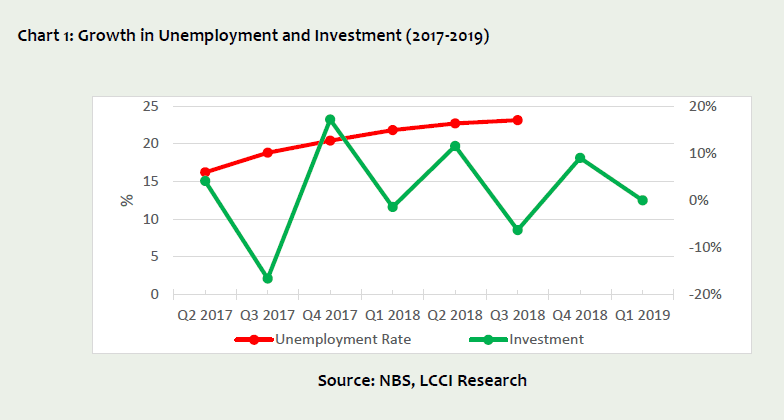
The direct effect of the high cost of doing business in Nigeria to the private enterprise is enormous, and the impact on job creation and government revenue is devastating.
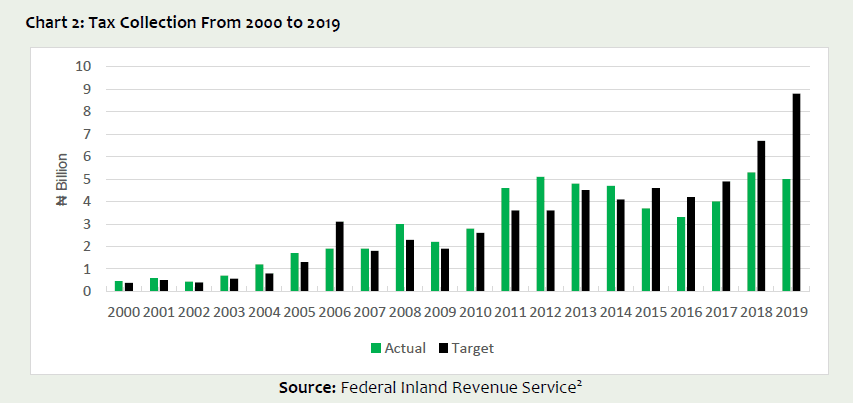
The Federal Inland Revenue (FIRS) has consistently failed to meet its revenue target since 2015 and the lackluster growth in investment reflects the harsh cost condition confronting businesses.
The deteriorating bottom-line has negative consequences on production capacity, scaling and economies of scale, private companies are not making a significant investment in greenfield projects.
The volume of investment in some sectors have been trending downward consistently as a result of steep capital withdrawal from the sector by foreign investors1.
Private enterprises find their growth from small to medium; and from medium to large, very difficult and hampered without government intervention.
These costs limit the survival rate of businesses as changing trends and high operating costs reduce the firm’s ability to keep pace with dynamics and disruption.
Businesses try to survive and attempt to scale by passing on extra costs of doing business, in the form of higher prices or substandard products to the consumers who invariably bear the final burden in one form or the other.
Featured Image: Independent.ng
Don’t miss important articles during the week. Subscribe to cfamedia weekly digest for updates.