

In recent times, there has been a noticeable growth in female participation in STEM fields (science, technology, engineering, and mathematics), and while this is a win for the female populace, much ground still needs covering.
Going by the UNESCO report, only 35% of STEM students in higher education globally are women, and this simply means that men continue to dominate the number of STEM graduates in most countries.
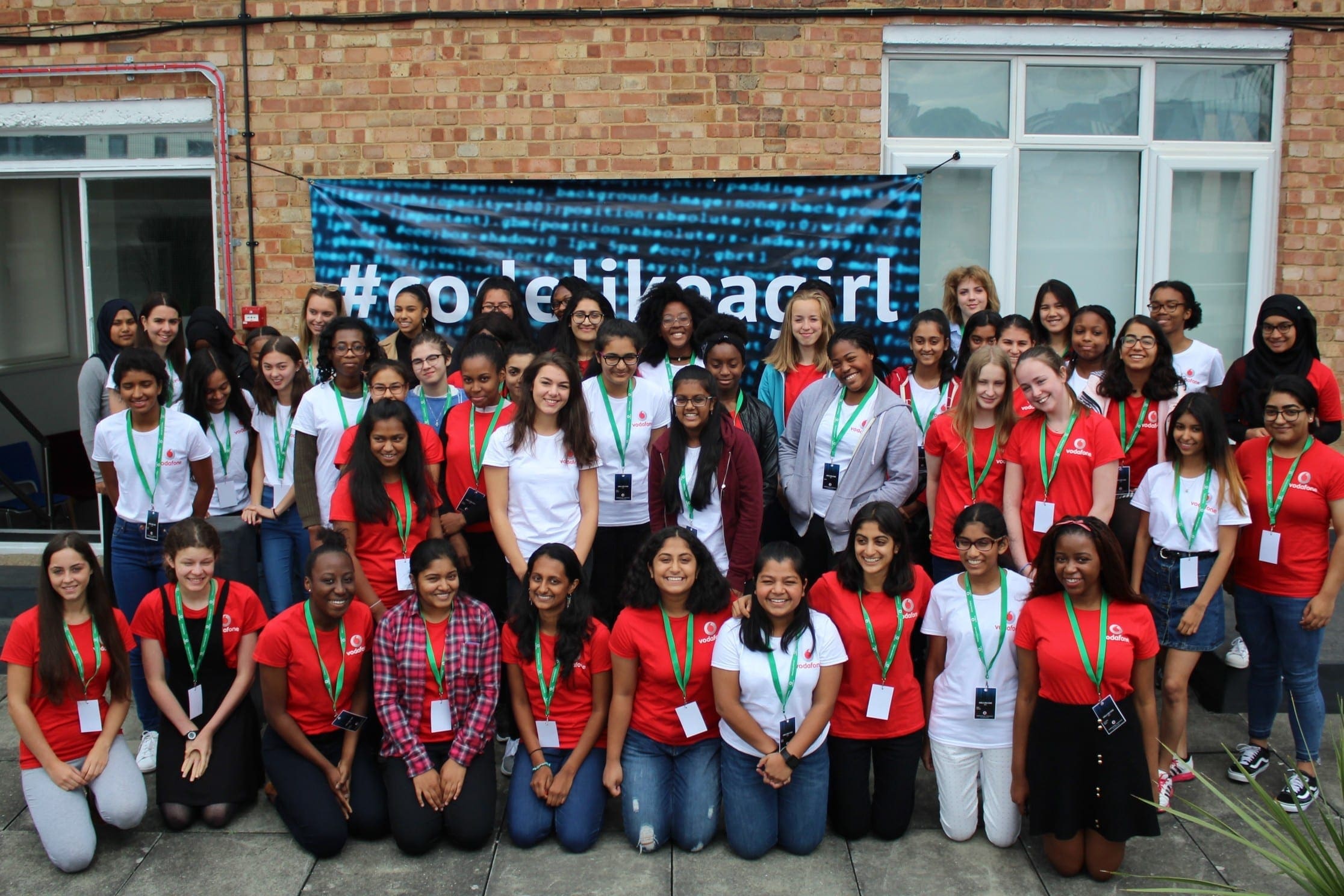
To address this current underrepresentation of women and girls in STEM fields, Vodacom in partnership with KwaZulu Natal Department of Education and Durban University of Technology has launched a new program called #CodeLikeAGirl to add to past achievements and exploits of women and girls who have promoted and contributed to diversity at the workplace.
Steven Barnwell, the MD of Vodacom in KwaZulu Natal revealed the significant milestones crossed in bridging the global gender gap.
Also, he pointed out the widening gap in STEM careers across South Africa where males have an edge over their female counterparts.
As part of Vodacom’s contribution in leveling the playing field for women and girls, they have birthed a global initiative that affords teenage girls across 26 countries coding training.
This includes 14 to 18-year-old girls throughout South Africa. The program started in Gauteng where 20 girls from Tembisa school were trained on coding.
Presently, Vodacom in KwaZulu Natal has offered 37 female students from Chatsworth, Phoenix, Umlazi, and Wentworth an opportunity to code during their winter holidays at their headquarters at Ridgeside, Umhlanga.
The training
The program includes week-long training courses where learners are exposed to basic knowledge of computer languages and development programs CSS, HTML, Bootstrap, GitHub, and JavaScript.
Featured Image: LinkedIn
Don’t miss important articles during the week. Subscribe to techbuild weekly digest for updates.