


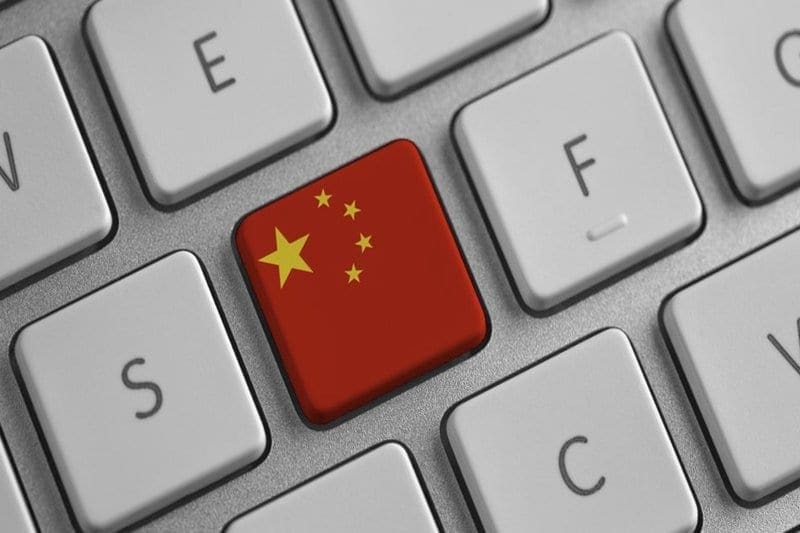
China is known for many things and among them is the protection of its domestic markets. The recent move in further achieving this is a new homegrown operating system being developed for the Chinese people and it is intended that this will roll out by October 2014. This is clearly bad news for imported operating systems such as windows, Android and iOS.
There has been existing tension between china and the west, often stemming from cyber security concerns. China is, however, determined to aid its domestic technology to enable a catch up with giants like Google and Microsoft. It is not clear how this will be achieved, but it is most certainly going to materialize.
In May 2014, Windows 8 was banned in China. This was not only a major hit on Microsoft but was also a direct move by the Chinese nation to protect its domestic markets. Earlier on in march 2014, China claimed that Google held an excessively large control over the smartphone industry via their Android OS, which seemed to be prejudiced against some local businesses. All these show that the nation is keen on promoting its homegrown operating systems over foreign operating systems.
The new operating system will initially be a desktop operating system before being extended to smartphones. An operating system development alliance was officially created in March 2014 to oversee the operations. Its head, Mr. Ni Guangnan, says that the new operating system is projected to replace imported desktop operating systems within two years and mobile operating systems within five years.
Africa overly relies on foreign developments and products. Recently, however, there has been what could easily be termed as a digital re-awakening all over the continent. This may, however, be some decades away from happening; if an African operating system was developed, that would most certainly be beneficial in numerous ways. This is, therefore, is a challenge to the digital minds in our beloved African continent, to develop an African OS.