

In spite of reports that the Nigerian Communications Commission (NCC) is considering a framework for the regulation of over-the-top services in the Nigerian telecoms market, the Commission, weekend said it’s not ready to regulate OTT.
In Nigeria, the most common OTT services are internet communication services such as WhatsApp Messenger, BlackBerry Messenger, Facebook, and Skype which are classified under social media applications, as well as internet telephony and live streaming.
However, top telecom operators in Nigeria such as MTN, Etisalat, Glo, and Airtel lack direct control or influence over WhatsApp Messenger, BBM, Facebook or Skype. The OTT services had been such much increase and patronage as a result of much access to 3G and 4G networks which offer mobile broadband and high-speed IP data.
“At the moment we are not ready to regulate OTT services in Nigeria, Tony Ojobo, Director of Public Affairs, NCC, told journalists, weekend. If we are to control OTT services in Nigeria, lots of people would be affected.
The NCC had released reports indicating threats posed by the OTT services in Nigeria. According to the NCC report, the Internet telephony is not only cheap, and free in some cases, but it also offers many features previously unavailable with telephones, therefore making it more attractive to consumers.
And unlike the traditional telephone network operator, the operators of Internet telephony don’t pay tolls for their services.
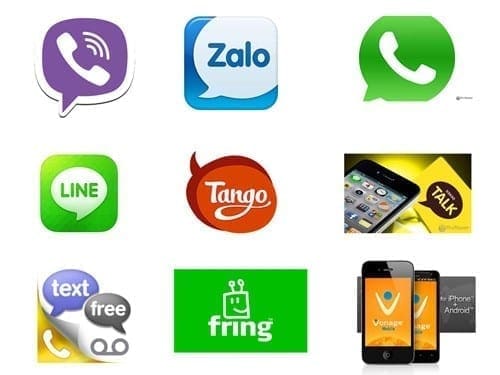
Besides, the report said since telecom operators in Nigeria do not have control over WhatsApp, BBM, Facebook and the rest of the social media applications, they do not generate revenues from services offered through these applications.
The report said, “Many traditional telecom service providers are of the opinion that traditional telephony and SMS revenues are under threat from newer, IP-based alternatives like WhatsApp, Skype, Viber, etc.
According to Tony, the telecoms industry is growing significantly, and we do not need to truncate the growth process. We are not just ready to regulate the OTT services and there so many processes involved.
In the same vein, technology giants such as Google and Facebook are increasingly generating huge revenues and driving high levels of data traffic which ride on the broadband networks of traditional telecom operators’.
“To further worsen this issue, the traditional operators still have to make significant investments in upgrading their networks to handle the increasing volume of data generated by the same providers of OTT services.