


- Highest percentage of users affected by these threats were Qatar (24.4%), United Arab Emirates (22.8%), Kuwait (20.1%), Saudi Arabia (17.9%) and Egypt (17.1%)
- 50 Billion Internet-connected devices to be connected by 2020
- An average of 17.4% users in the Middle East encountered cyber threats originating from the Internet in the third quarter of 2016.
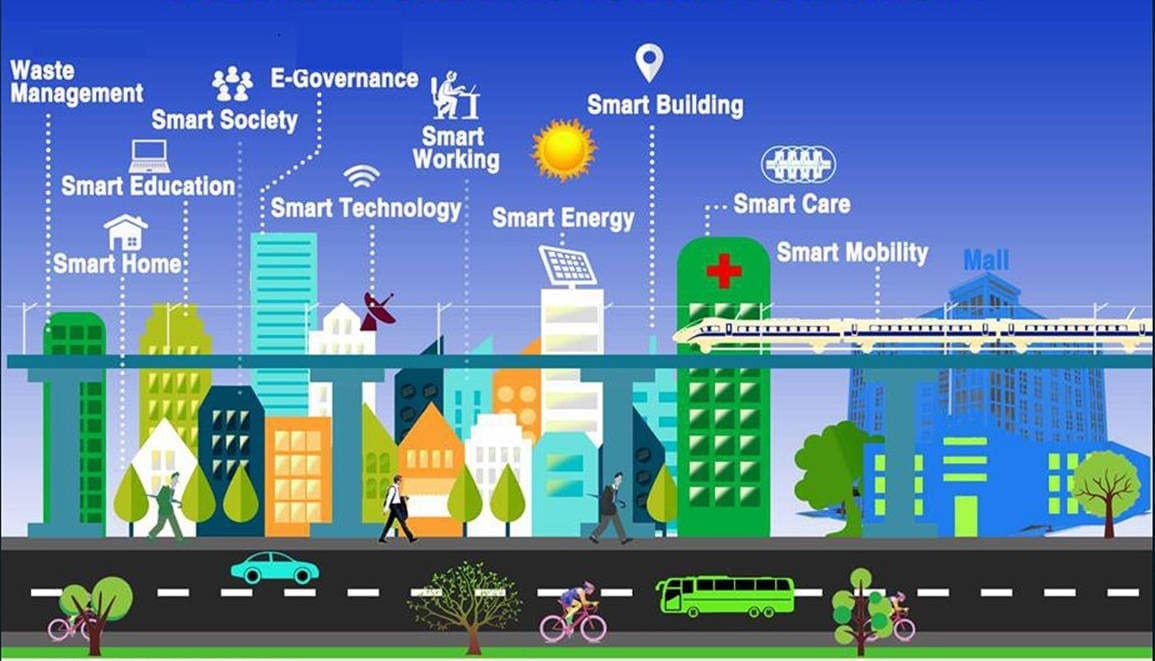
Studies have shown that by 2020, there will be more than 50 Billion Internet-connected devices that will transform the way we live, as well as the quest for the development of smart cities.
With Smart Cities integrating cyber-physical technologies and infrastructure to creating environmental and economic efficiency while improving the overall quality of life. There are fears that cyber threats will affect Smart Cities.
Although, Smart Cities have created important increase in terms of understanding infrastructural usage, improving efficiency, and better service provision to citizens. In times to come, smart cities will provide businesses with unprecedented economic opportunities.
According to the Institute for Electrical and Electronics Engineers (IEEE), “a smart city brings together technology, government and society to enable the following characteristics: a smart economy, smart mobility, a smart environment, smart people, smart living and smart governance.”
The Moscow-based international software security group, Kaspersky Lab at the ongoing GITEX Technology Week presented an overview of the changing cyber threat landscape in the Middle East with special emphasis on the protection of critical infrastructures and smart cities.
According to Kaspersky Security Network, an average of 17.4% users in the Middle East encountered cyber threats originating from the Internet in the third quarter of 2016.
The countries with the highest percentage of users affected by these threats were Qatar (24.4%), United Arab Emirates (22.8%), Kuwait (20.1%), Saudi Arabia (17.9%) and Egypt (17.1%). At the same time, an average of 47% of users in the region encountered malware that spread in local networks, via USBs and storage disks.
“Raising awareness about cyber threats is fundamental for smart environments. Rapid technological advances in recent years require threat intelligence research and a strategic collaboration between critical infrastructure and smart cities. A cyber incident can have a major impact on the economic, reputational and productivity aspects of an organization, it can also threaten human lives.
Suggested Read: Capacity Building, a panacea for Africa’s Slow Paced economy- Experts
Consequently, we have been making a lot of efforts at Kaspersky Lab towards securing the different components of smart cities, contributing our expertise within the Securing Smart Cities not-for-profit global initiative, and that’s predominantly why we are highlighting these issues this week at GITEX,”said Mohammad Amin Hasbini, Senior Security Researcher, Global Research & Analysis Team, Kaspersky Lab.
The concept of a smart city involves bringing together various cutting-edge technologies and solutions to ensure the reliable and convenient provision of services to people, public safety, resources utilization, etc.
However, these technologies also open the doors for serious cyber risks that must be addressed proactively. Smart city security should be top priority for the executives pioneering the smart city evolution. “Our recent study investigated city kiosks as well as speed cameras and their supporting infrastructure.
Our experts discovered that cybercriminals could easily compromise these cameras and manipulate the data collected. To prevent such situations in real life, there should be a comprehensive approach to the development and implementation of smart devices into a city’s infrastructure,” added Hasbini.
In addition to sharing its expertise, Kaspersky Lab provides a range of solutions that cover major smart city elements, including smart terminals, mobile applications, data storage and security for commercial and industrial facilities.
The company’s portfolio of security solutions that can help in developing smart cities includes: Kaspersky Security Intelligence Services; Kaspersky Industrial CyberSecurity; Kaspersky Security for Data Centers; Kaspersky Embedded Systems Security for ATMs and Point-of-Sale Terminals; Kaspersky Mobile Security; Kaspersky Anti-Targeted Attack Platform