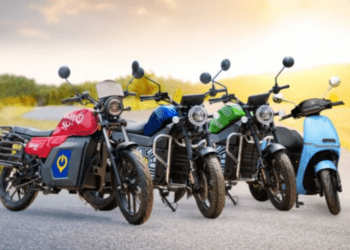

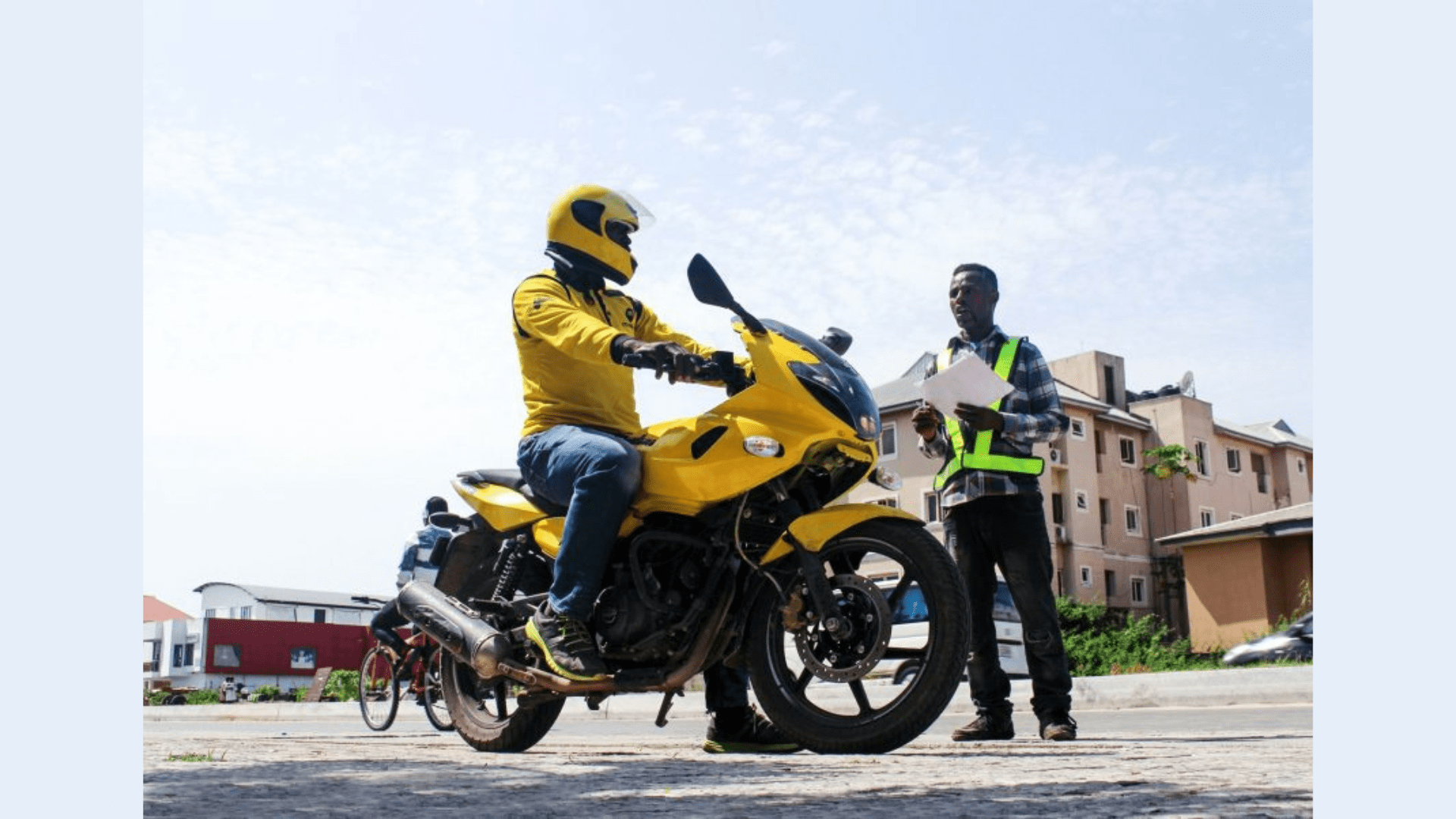
Nigerian electric mobility company Metro Africa Xpress, better known as MAX, has raised $8 million in debt from Dutch impact investor Triple Jump, a deal that gives the company more firepower for its shift toward asset-backed lending and wider fleet expansion across West Africa.
The financing was arranged by pan-African investment bank Verdant IMAP and comes after MAX closed a $24 million mix of equity and debt earlier in 2026.
The new capital matters because MAX is building a business that relies on expensive hardware, large vehicle inventories, and ongoing operational support.
Debt is often a better fit than equity for that kind of model, especially when the vehicles themselves can be used as collateral.
Also read, Nigeria’s MAX Unveils Solar-Driven EV Swap Station to Stabilize Gig Transport
Verdant IMAP said the transaction lays a base for more institutional capital to flow into the company, and Triple Jump’s backing suggests the structure has cleared a serious risk review from a lender that focuses on emerging markets.
MAX says its local assembly capacity now stands at about 3,600 units a month, a scale that helps it reduce exposure to import duties and supply chain disruptions that have long slowed electric vehicle adoption in sub-Saharan Africa.
That local manufacturing angle is important because it gives the company more control over cost and supply, two pressure points that can make or break mobility startups on the continent.
The company is also leaning on a full-stack model that combines the bike, battery, charging station, and credit. MAX says this approach gives it better margins and more data on rider behavior and vehicle performance through IoT systems, which in turn should help it manage default risk.
In practice, that puts the company closer to being a mobility lender with an operating fleet than a simple vehicle seller.
MAX has set a target of 250,000 drivers by 2027, and it is betting that its blend of financing, fleet management, and infrastructure will help it reach that goal.
The company already says it is profitable in Nigeria, but expansion into markets such as Cameroon will test whether the model can scale cleanly outside its home market.
Competition is already building around the same opportunity, with players such as Spiro and Ampersand also pushing electric two- and three-wheelers across Africa.
MAX’s edge appears to come from how tightly it links mobility with finance, which may prove more durable than a pure hardware play if it can keep underwriting discipline strong and deployment costs under control.
This post was culled from Launch Base Africa.
Don’t miss important articles during the week. Subscribe to techbuild weekly digest for updates