


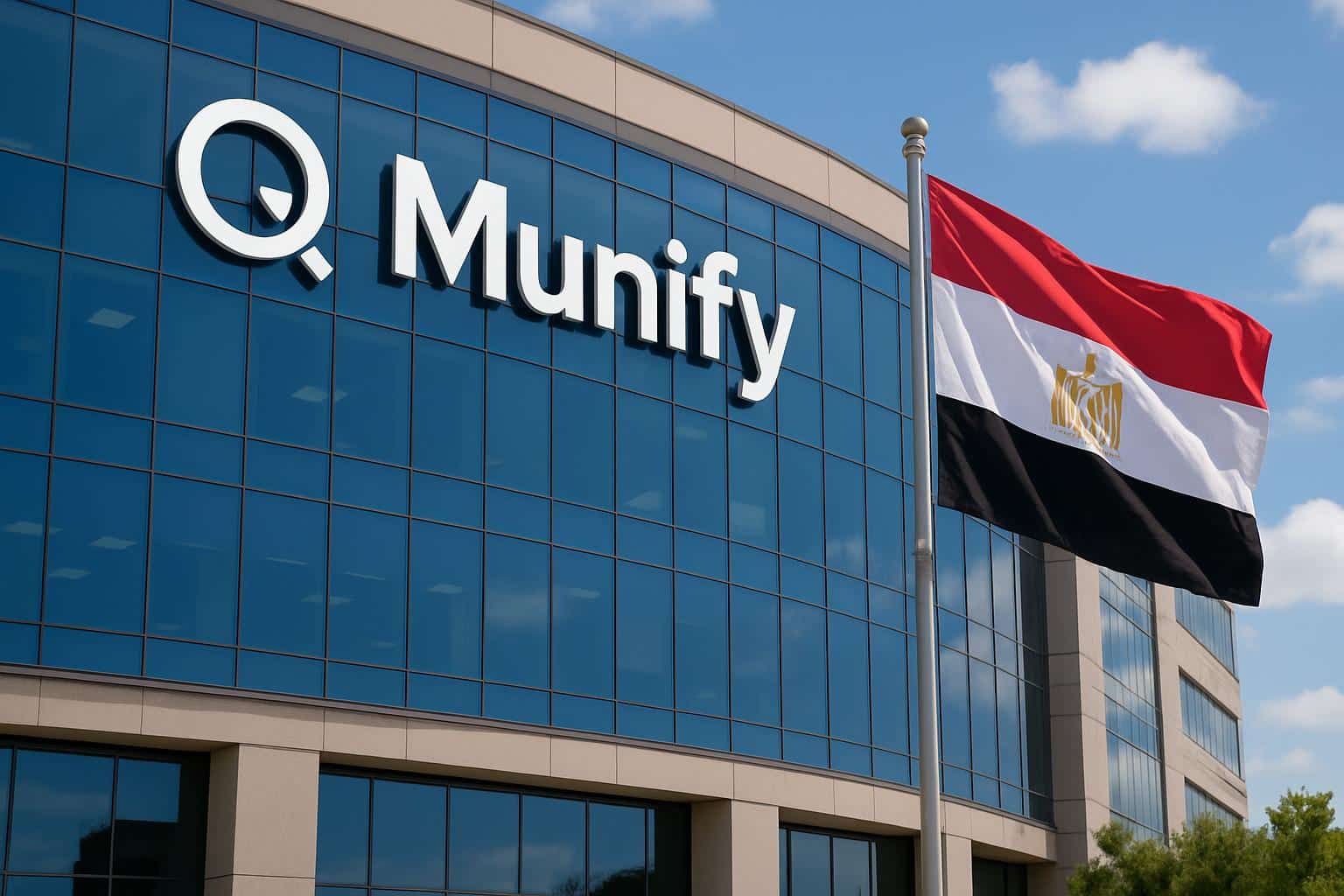
Cairo-based fintech Munify has closed a $3 million seed round led by Y Combinator, with BYLD and Digital Currency Group among the other investors.
The funding comes as the startup finishes its Summer 2025 YC stint, marking one of the smaller-region fintech stories to make the accelerator cut, while much of the attention has focused on AI companies.
Munify was founded in 2024 by Khalid Ashmawy, who spent seven years at Microsoft and Uber and previously co-founded PropTech platform Huspy.
The startup is building a cross-border digital bank aimed at Egyptians living overseas, offering instant, low-cost transfers to Egypt, the ability for customers to open U.S. bank accounts, issue debit cards, and tools to hedge against local currency volatility.
The service is already available to users in the U.S., U.K., Europe, and the Gulf Cooperation Council markets.
What this round signals is investor faith in a focused product that targets a well-defined pain point. Remittance fees and slow settlement times remain major frictions for many diasporas, and Munify’s feature set addresses those gaps directly.
Its mix of payment rails, local settlement capabilities, and FX tools positions it to serve freelancers, remote workers, and SMEs that earn abroad but operate in local-currency markets.
Munify faces the usual trade-offs of cross-border banking. Success will depend on building deep regulatory and banking partnerships, getting KYC and AML processes right, and managing FX and liquidity risk at scale.
Monetization paths could include interchange, FX spreads, and premium business services, but each requires careful execution to avoid regulatory or capital strains.
With $3 million in the bank, Munify can accelerate engineering, compliance and market expansion. The YC backing should open doors to partnerships and talent, but the hard work will be operational: securing correspondent banking arrangements, maintaining margin on cross-border flows, and proving repeatable unit economics across the multiple jurisdictions it serves.
If Munify can thread those needles, it could become a practical alternative for Egyptians who regularly send money home or need banking infrastructure tied to multiple currencies.
Don’t miss important articles during the week. Subscribe to techbuild weekly digest for updates