

Information and Communication Technology plays an important role in our society. It has introduced methods of electronic communication previously unheard of; the likes of email, facetime, video conferencing, and so on.
Apart from making communication a delight, technology exerts a great deal of influence on governance and digital democracy, both at national and community levels. At this point in human existence, technology has proved to be an indispensable tool for politics.
Politicians and leaders of nations have been known to campaign and canvass for election on popular digital platforms. One of the cost-effective ways to reach millions of people and would-be supporters irrespective of their geographical location is through social media network sites.
In recent years, however, there is a noticeable trend in how technology, especially digital platforms, is increasingly influencing politics across the world. Unfortunately, with this clout comes an unavoidable collision between media technology and politics.
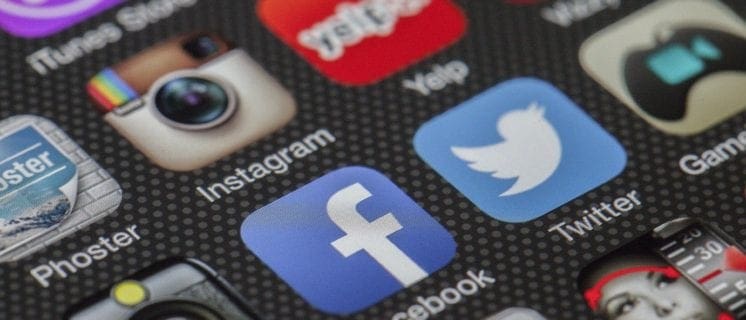
When we talk about global tech giants, companies like Google, Amazon, Apple, Facebook, Microsoft, and Twitter surely get a mention. Why?
One reason is that they are responsible for designing, building and operating systems that become the infrastructure upon which economic, social and political processes take place.
To put it simply, these tech giants have power that derives from their mastery of digital technology. In this piece, we will also explore the power of big tech in influencing African politics by drawing on recent development in Nigeria. I’ll get to that in due course.
The #hashtag revolutionary movement
In Africa, there’s been a rapid shift in the way protests are carried out. Before now, the use of placards, labor strikes and the rest were popular ways for citizens to make their grievances known.
In this age of technology, protesters turn to digital platforms to enable them to coordinate their actions and reach a global audience. The following are a few examples.
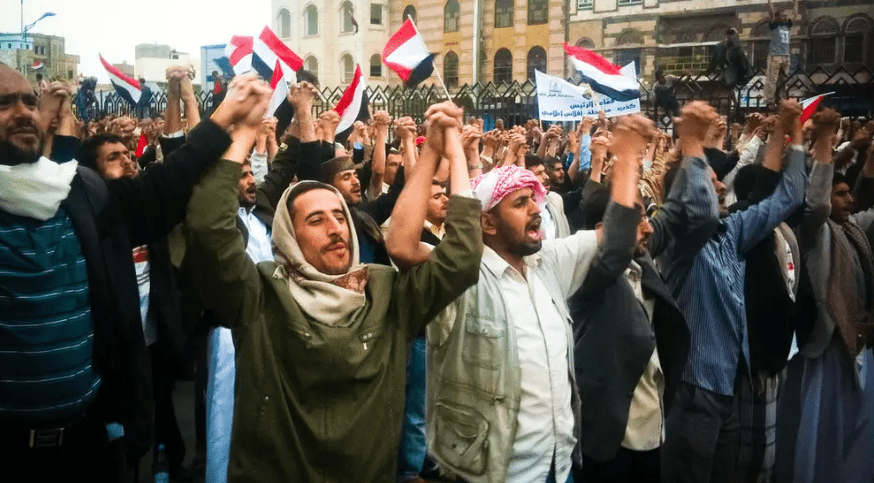
In 2011, there was a series of protests across the Middle East where young, digitally-savvy protesters used Facebook and other digital platforms to connect and organize a movement for emancipatory power.
Gambians also took to the internet using the hashtag #GambiaHasDecided when former President Yahya Jammeh refused to vacate his office and hand over power after being defeated during an election.
Moreso, in 2020, the Zimbabwean government’s repression of activists ignited a social media movement that gained international prominence. Leveraging social media, citizens conveyed their criticism of the government over the country’s economic crisis, political disputes, and lack of media freedom.
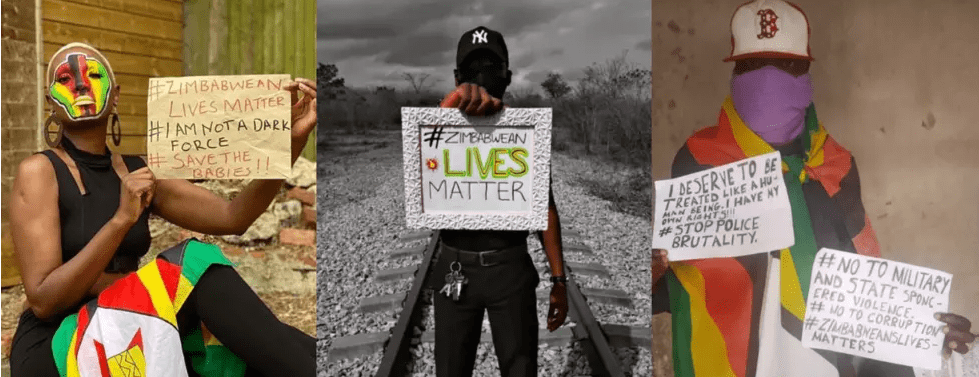
While the #ZimbabweanLivesMatter hashtag was trending on social media, so was Nigeria’s #EndSars, an organized protest that sought to end police brutality as well as call for the reformation of the Nigerian Police Force.
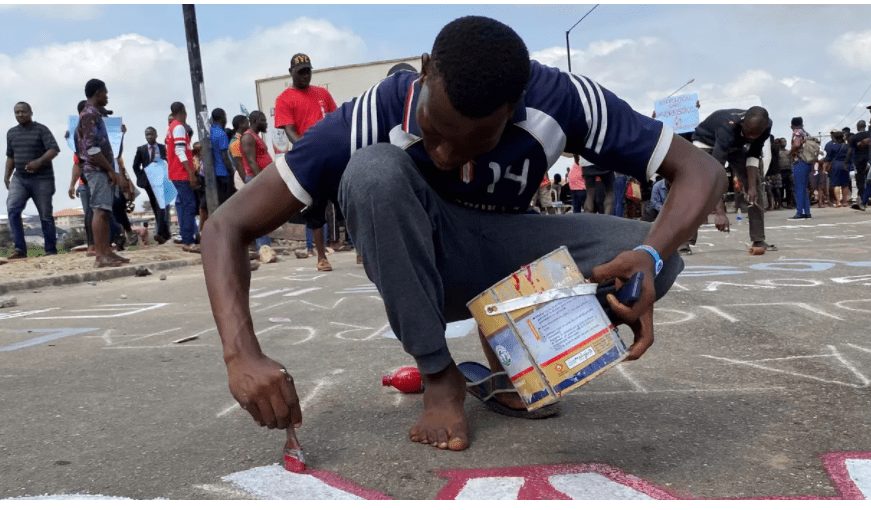
Although I can go on and on, a common thread binding these occurrences is the power of digital platforms in magnifying the voices of the oppressed. I mentioned earlier that big tech wields more than a considerable measure of power. Are there facts to substantiate this claim? Definitely!
Rewind to months before the U.S. presidential election. The former President, Donald Trump, was banned from the digitalized public space after inciting the insurrection at Capitol Hill.
While Twitter and Facebook evicted him from their digital platforms, Apple and Google removed the Parler app- the platform of choice for many of Trump’s supporters- from their app stores, and according to the New York Times, Amazon stopped hosting the service.
All these measures were taken to thwart whatever had been planned by the former U.S. president and his allies.
What these big tech giants have demonstrated is their ability to punish any erring user of their platforms irrespective of his/her lofty office. They’ve also shown the depth of their influence over social life. Now, back to the ongoing issue in Nigeria.
A curious case of power tussle: Twitter vs Nigeria
The media is awash with the suspension of Twitter in Nigeria as declared by the Federal Government of Nigeria. The cause of the ban has been linked to Twitter’s deletion of President Buhari’s tweet that violated the tech giant’s policy.
Many groups and organizations– local and international- have called on the government to rethink its position on the Twitter ban.
While several politicians have urged that both parties reach a compromise, Senate President Ahmed Lawan has revealed his optimism that the Federal Government and Twitter will settle their dispute because both parties need each other.
“The Minister of Information, Lai Mohammed, has informed Nigerians that they are talking with Twitter to resolve this matter.
Nigeria needs Twitter just as much as Twitter needs Nigeria. I believe this engagement between Twitter and the government will yield fruitful results”, he added.
Although we are yet to know the outcome of the dialogue between Twitter and the Nigerian government, we hope that a consensus is reached, leaving both sides happy.
The faceoff between Twitter and the Nigerian government is a reminder that big tech is a force that even world leaders have to reckon with.
Don’t miss important articles during the week. Subscribe to techbuild weekly digest for updates.